From subtle ambiance to bold statements, candles transform homes. This exploration delves into the diverse world of candle decor, from choosing the right types and placements to styling them with complementary elements. Understanding the nuances of scent, color, and size is key to achieving the desired atmosphere.
The strategic use of candles can elevate any space, creating a personalized and inviting environment. Different room styles demand different approaches, highlighting the importance of considering factors like room size, existing decor, and desired mood when incorporating candles.
Types of Candles for Home Decor
Candles, a timeless home decor element, add warmth, ambiance, and visual interest to any space. Their versatility extends beyond simple illumination, offering a range of styles and materials that cater to diverse aesthetics and preferences. From the classic elegance of a pillar candle to the subtle glow of a votive, the choice of candle type can significantly impact the overall atmosphere of a room.The selection of candles for home decor involves considering not only the aesthetic appeal but also the material, size, and shape, which all play a crucial role in creating a desired ambiance.
Understanding the various options available allows for informed decisions, leading to a curated home decor that reflects personal style and enhances the overall living experience.
Different Candle Types
Candles come in a variety of shapes and sizes, each contributing a unique visual impact. Understanding these differences allows for thoughtful selection, ensuring the candles complement the overall design aesthetic.
- Pillar candles, often cylindrical in shape, provide a bold statement piece. Their tall, robust form adds a touch of grandeur and sophistication to any room. Their presence can be especially impactful in large spaces or as a focal point within a smaller setting. Paraffin is a common material used in pillar candle production, though other materials are also used.
- Votive candles, with their small, round shape, offer a subtle ambiance. Ideal for creating a soft, intimate glow, votive candles can be arranged in groups to achieve a diffused, gentle light. They often utilize soy wax for its eco-friendly properties, though paraffin can also be used. These candles are well-suited for side tables, mantelpieces, or small decorative groupings.
- Taper candles, characterized by their long, slender shape, are frequently used in decorative holders. Their elegant form can add a touch of classic style or a more dramatic effect, depending on the chosen holder and the overall decor. Wax varieties, like paraffin and soy, are often used for taper candles, although other materials are also available.
- Scented candles, infused with fragrances, provide not only illumination but also a pleasant aroma. These candles can transform a space into a relaxing sanctuary or evoke a specific mood. They can use paraffin, soy, or beeswax, each affecting the scent throw and burning characteristics.
- Unscented candles, devoid of added fragrances, provide pure illumination and a neutral ambiance. They can be used to complement a wide variety of design styles, from modern minimalism to traditional elegance. Materials like paraffin, soy, or beeswax are used in unscented candles, with variations influencing the burning properties and visual impact.
Candle Materials
The material used in candle production significantly impacts the candle’s burning characteristics, environmental impact, and aesthetic appeal. Understanding these differences allows for informed choices that align with personal preferences and values.
- Paraffin wax is a petroleum-based material, often the most affordable option. Its consistency allows for easy molding into various shapes and sizes, making it widely available. However, it can release potentially harmful chemicals when burned, and it is not a sustainable option.
- Soy wax, derived from soybeans, is a natural and renewable alternative to paraffin. Its clean burning characteristics produce less soot, and it is often considered a healthier option. Soy wax is also biodegradable, contributing to a more environmentally friendly approach to candle making.
- Beeswax, derived from beeswax, is a natural, sustainable, and eco-friendly option. It burns with a clean, natural aroma and creates a beautiful glow. However, it can be more expensive than other waxes.
Candle Size and Shape
The size and shape of a candle significantly impact its visual impact within a given space. A well-chosen candle can become a focal point, a subtle accent, or a decorative element that enhances the overall aesthetic.
Design Considerations for Candle Placement
Strategic candle placement is paramount to maximizing the ambiance and aesthetic appeal of a space. The subtle glow and warm fragrance of candles can transform a room from functional to inviting, setting the stage for relaxation, conversation, or simply enjoying the beauty of the surroundings. Proper placement considers not only the visual impact but also the sensory experience, enhancing the overall mood and atmosphere.Careful consideration of candle placement elevates a room beyond mere decoration.
Positioning candles strategically creates focal points, highlights architectural details, and defines distinct zones within a space. By understanding the interplay of light and shadow, one can use candles to sculpt a personalized atmosphere that reflects individual taste and preferences.
Highlighting Architectural Features
Candles can act as powerful tools to accentuate the architectural beauty of a home. Placing them strategically near architectural details, such as fireplaces, alcoves, or crown moldings, can draw attention to these features. For example, a cluster of small, tapered candles positioned along a mantelpiece can highlight its intricate carvings, while a single, large pillar candle placed in a recessed alcove can emphasize its depth and dimension.
By carefully selecting candle sizes and colors, the candles can complement the existing decor and create a harmonious blend of design elements.
Defining Zones in a Room
Candles can effectively define different zones within a room. A grouping of scented candles near a reading nook can create a distinct area for relaxation and quiet contemplation. Alternatively, placing larger candles near a dining area can establish a warm and inviting atmosphere for meals and conversation. This approach enables the careful creation of distinct spaces within the same room, fostering a more versatile and functional environment.
Using varying candle sizes and colors can enhance this differentiation, creating distinct moods and experiences within the same space.
Creating a Warm and Inviting Atmosphere
Candlelight has a profound effect on the overall atmosphere of a room. The soft, warm glow of candlelight creates a welcoming and intimate ambiance, perfect for creating a sense of coziness and relaxation. Candles can also evoke a sense of history and nostalgia, adding a touch of warmth and character to any space. For example, placing several candles on a coffee table can create a cozy atmosphere perfect for conversation or reading.
This technique is particularly effective in larger rooms, helping to break up the space and create intimate seating areas.
Selecting Candle Colors
Choosing the right candle colors is crucial for complementing the existing room decor. Warm colors, such as amber or gold, can create a cozy and inviting atmosphere, while cool colors, such as white or ivory, can evoke a sense of serenity and elegance. Consider the overall color palette of the room when selecting candle colors. For instance, if the room is predominantly neutral, a variety of warm-toned candles can create a balanced and inviting aesthetic.
Conversely, if the room features vibrant colors, consider candles in complementary shades to enhance the existing color scheme.
Balancing Candle Sizes and Shapes
Balancing candle sizes and shapes within a space is vital for achieving a visually appealing and harmonious arrangement. Mixing different sizes and shapes can add visual interest and depth to the overall display. For instance, a cluster of small, pillar candles can be balanced with a larger, taper candle to create visual dynamism. However, avoid overwhelming a space with too many candles, or a collection of candles of disparate sizes.
Maintaining a sense of proportion is essential to avoid a cluttered or chaotic look. A visually balanced arrangement of candles creates a harmonious and aesthetically pleasing environment.
Styling Candles with Other Decor Elements
Candles, beyond their functional role, are powerful design tools for enhancing ambiance and aesthetic appeal. Strategic placement and pairing with complementary decorative elements can elevate a space from ordinary to extraordinary. The interplay of textures, colors, and forms creates a harmonious visual narrative that reflects the intended mood.Careful selection of accompanying decor allows candles to become focal points, adding depth and intrigue to any room.
The right combination of vases, trays, candle holders, and textiles, coupled with a thoughtful consideration of color coordination, can significantly impact the overall aesthetic.
Color Coordination in Candle Styling
Color coordination between candles and surrounding decor is critical for achieving a cohesive and visually appealing aesthetic. A harmonious color palette creates a sense of unity and balance. Using colors that complement or contrast each other effectively can accentuate the candlelight’s warm glow. For example, warm yellow candles paired with terracotta-toned vases or rustic wooden trays create a cozy, inviting atmosphere.
Conversely, cool blues or greens paired with minimalist candle holders can evoke a tranquil and sophisticated feel.
Incorporating Candles into Different Home Decor Styles
Candles seamlessly integrate into various home decor styles, enhancing the existing aesthetic. Their versatility allows for adaptability across diverse spaces. In modern interiors, sleek candle holders and minimalist designs work well, creating a clean, sophisticated look. For rustic homes, consider using distressed candle holders and earthy tones, which further accentuate the natural ambiance. Bohemian spaces benefit from unique and textured candle holders, embracing a blend of global influences and eclectic elements.
The Role of Candlelight in Setting Mood and Theme
Candlelight plays a pivotal role in shaping the mood and theme of a room. The soft glow creates a warm, inviting ambiance, promoting relaxation and a sense of tranquility. In a dining area, warm-toned candles on a table set the stage for intimate conversations and a romantic atmosphere. A bedroom bathed in soft candlelight promotes relaxation and a soothing atmosphere, ideal for unwinding after a long day.
Candle-Decor Combinations in Different Room Settings
Different room settings benefit from distinct candle-decor combinations. In a living room, a collection of candles in varying heights and colors, arranged on a tray, adds visual interest. In a dining area, pillar candles in elegant holders placed on the table create a sophisticated atmosphere. In a bedroom, floating candles in delicate glass holders nestled among soft textiles create a tranquil and serene ambiance.
Impact of Candle Colors on Room Ambiance
The color of candles significantly influences the ambiance of a room. Different colors evoke distinct emotions and atmospheres.
| Candle Color | Room Style | Ambiance |
|---|---|---|
| Warm Yellow | Rustic | Cozy |
| Soft Teal | Modern | Tranquil |
| Crimson Red | Romantic | Passionate |
| Soft Lavender | Bohemian | Dreamy |
Scented Candles for Home Decor
Beyond their aesthetic appeal, candles offer a powerful means of shaping a home’s ambiance. The carefully chosen scent can transport occupants to different moods and evoke specific memories, significantly impacting the overall atmosphere. This crucial element of home decor deserves meticulous consideration, alongside color palettes and furniture styles.Scent plays a significant role in shaping the emotional response to a space.
A subtle, comforting fragrance can induce feelings of calm and relaxation, while a more invigorating aroma can stimulate creativity and energy. The right scent can subtly transform a room, making it feel more inviting, cozy, or inspiring.
Popular Scents in Decorative Candles
A wide range of scents are commonly used in decorative candles, each with the potential to evoke distinct feelings. Understanding these associations allows for conscious selection to complement the desired mood or theme.
- Floral scents, such as rose, lavender, and jasmine, are frequently chosen for their romantic and calming qualities. They are often associated with a sense of serenity and elegance.
- Woody scents, including cedarwood, sandalwood, and pine, create a sense of warmth and grounding. They are often favored for their ability to evoke feelings of tranquility and connection with nature.
- Fruity scents, such as citrus, apple, and berry, introduce a vibrant and uplifting atmosphere. These scents are often used to add a touch of freshness and energy to a room.
- Spicy scents, such as cinnamon, clove, and nutmeg, offer a comforting and cozy ambiance. They often evoke feelings of warmth and festivity.
- Gourmet scents, including vanilla, chocolate, and coffee, evoke feelings of indulgence and comfort. They are particularly popular for creating a welcoming and inviting atmosphere.
Choosing Scents that Complement Room Design
The selection of scents should be harmonious with the existing design elements of a room. For instance, a modern, minimalist space might benefit from a subtle, clean scent like white tea or citrus, while a traditional, ornate room could accommodate a richer fragrance like sandalwood or amber.
- Consider the color palette. Warm colors might complement warmer scents like vanilla or cinnamon, while cooler colors might pair well with citrus or mint.
- Think about the room’s function. A study might benefit from a stimulating scent like rosemary or eucalyptus, while a bedroom might be enhanced by a calming fragrance like lavender or chamomile.
- Combine scents. Subtle layering of fragrances can create a unique and personalized experience. For example, a blend of citrus and floral notes can result in a refreshing and uplifting ambiance.
Scent Intensity and Room Size
The intensity of the scent and the size of the room are intrinsically linked. A strong scent in a small room can quickly become overwhelming, while a delicate scent in a large space might not have the desired impact.
- Strong scents are best suited for smaller rooms to avoid overwhelming the space.
- Delicate scents might be more effective in larger spaces.
- Consider the number of candles. A moderate number of candles with a subtle scent profile is often preferable to a single, intensely scented candle.
Scent Profiles for Specific Moods and Themes
Certain scent profiles can evoke specific moods or themes, enabling homeowners to strategically choose fragrances for different occasions or atmospheres.
- Relaxation: Lavender, chamomile, sandalwood, and vanilla evoke calmness and tranquility.
- Romance: Rose, jasmine, and amber create a romantic and intimate atmosphere.
- Energy: Citrus, rosemary, and eucalyptus provide a refreshing and invigorating ambiance.
Candle Holders and Accessories
Beyond the flame, candle holders elevate the ambiance of a space, transforming a simple candle into a focal point. These accessories, often overlooked, play a critical role in the overall aesthetic, offering a canvas for creativity and style. Choosing the right candle holder can dramatically enhance the mood and visual appeal of any room.The selection of candle holders is just as important as the candles themselves.
The material, shape, and design contribute significantly to the overall aesthetic, adding a layer of sophistication and character to the decor. From intricate metal designs to rustic ceramics, candle holders offer a versatile way to express personal style and enhance the visual harmony of a room.
Different Types of Candle Holders
Candle holders come in an array of shapes and materials, each with its own unique aesthetic appeal. Glass holders, for instance, often offer a transparent elegance, allowing the candle’s flame to be a central element. Metal holders, in various finishes like brass or nickel, exude a modern or industrial charm. Ceramic holders, with their diverse textures and colors, lend a touch of rustic warmth or contemporary sophistication.
Wooden holders, whether carved or simple, bring a natural and organic element to the space.
Significance of Candle Holders in Enhancing Aesthetics
Candle holders act as decorative elements that frame and accentuate the candle’s light and form. Their shape, size, and material choices influence the overall look and feel of the room, creating visual interest and a focal point. The right holder can make a candle truly shine, transforming a simple act of lighting from functional to visually engaging. Strategic placement and careful selection of candle holders can subtly shift the atmosphere of a space, from cozy to sophisticated.
Creative Candle Holder Arrangements
Beyond individual pieces, candle holder arrangements can add a layer of visual depth and complexity. Consider grouping holders of varying heights and materials for a layered effect. For a rustic look, arrange ceramic holders with varying textures and sizes. For a modern ambiance, a collection of sleek metal holders in different shapes can create a striking display.
Experimenting with different heights and depths, combined with strategic placement on surfaces like mantels or tables, can significantly enhance the arrangement’s impact.
Impact of Materials on the Overall Look
The material of the candle holder significantly influences the overall look and feel. Glass holders, for instance, offer a modern and clean aesthetic, often complementing minimalist or contemporary styles. Metal holders, in various finishes, offer a versatile choice, working well with both modern and industrial aesthetics. Ceramic holders can create a warm and inviting ambiance, especially in rustic or traditional settings.
Wood holders provide a natural, earthy feel, harmonizing with bohemian, farmhouse, or nature-inspired styles.
Table: Candle Holder Styles and Suitability
| Holder Style | Room Style | Suitability |
|---|---|---|
| Metal | Modern | Excellent |
| Ceramic | Rustic | Good |
| Glass | Contemporary | Excellent |
| Wood | Bohemian | Excellent |
Candles for Different Room Styles
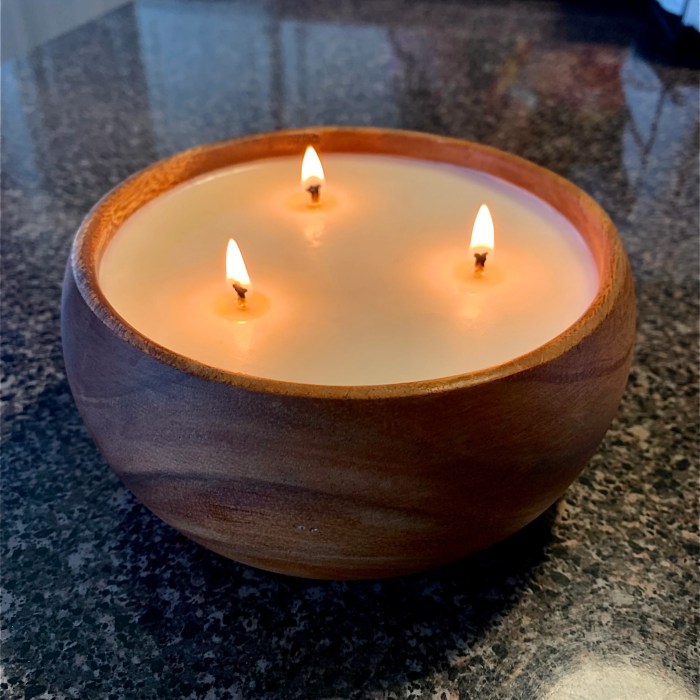
Candles, beyond their aesthetic appeal, can significantly influence the ambiance and mood of a room. Proper selection and placement can transform a space, whether it’s creating a cozy haven in a bedroom or a sophisticated dining experience. Understanding the nuances of different room styles and the best candle types for each is crucial for achieving the desired effect.Selecting the appropriate candle type for a specific room style is paramount for enhancing the overall atmosphere.
Different room types benefit from varying candle characteristics, including scent intensity and burn time. Consider the existing décor, the desired mood, and the overall style of the room when making your selection.
Living Room Candles
The living room, often the heart of the home, demands candles that can complement a variety of activities and styles. For a contemporary setting, consider minimalist, unscented pillar candles or tapered candles in neutral tones. For a more traditional or rustic aesthetic, opt for larger, scented candles in warm tones, like amber or cream.
Bedroom Candles
The bedroom is a sanctuary for relaxation and sleep. A calming ambiance is key, which is where the subtle fragrances of soy or beeswax candles shine. Avoid strong scents that might interfere with sleep. Fragrances like lavender or chamomile are known for their soothing properties, promoting a tranquil atmosphere. Place a few small, unscented candles on a bedside table or dresser for a gentle glow.
Dining Room Candles
Dining rooms are designed for gatherings and conversations, making the ambiance a key element. A touch of elegance can be achieved through the strategic placement of candles. Tall, tapered candles in elegant holders, or a cluster of votives in various heights and colors, can set a sophisticated tone. Consider unscented candles or subtle, delicate fragrances that complement the meal rather than overpowering it.
Candlelight in a dining room adds a touch of intimacy and refinement to the overall experience.
Examples of Candle Placement
- Living Room: A cluster of pillar candles in varying heights and warm tones placed on a coffee table or fireplace mantel can create a warm and inviting atmosphere. These candles can complement existing décor elements like throws and cushions.
- Bedroom: A small, unscented tea light candle placed on a bedside table creates a soft, warm glow. This gentle light is perfect for creating a relaxing atmosphere conducive to sleep.
- Dining Room: A grouping of tall, tapered candles in unique candle holders arranged on the dining table adds a touch of elegance and sophistication. The candlelight casts soft shadows on the table setting, enhancing the dining experience.
Budget-Friendly Candle Decor Ideas
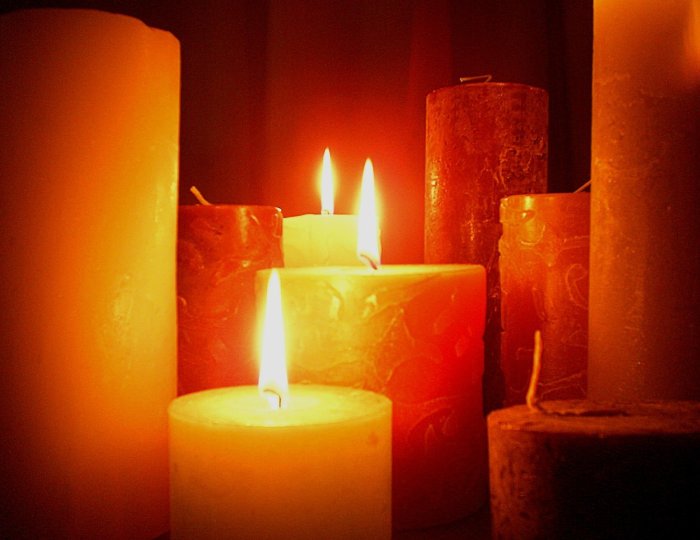
Sparking ambiance doesn’t necessitate a lavish budget. Clever strategies and resourceful choices can transform a space with candles, creating a warm and inviting atmosphere without breaking the bank. Incorporating candles into a budget-conscious decor plan involves creative repurposing, smart sourcing, and strategic placement.Budget-friendly candle decor often hinges on finding affordable options while maintaining a sophisticated aesthetic. This approach emphasizes creativity and resourcefulness, showcasing that a high-end look can be achieved with surprisingly low-cost candles.
Affordable Candle Holders
Many attractive candle holders can be found at surprisingly low prices. Thrift stores, antique shops, and even home goods stores often offer unique pieces at discounted rates. These secondhand finds can add character and visual interest to any space.
Repurposing Everyday Items
Repurposing everyday items can be a budget-friendly way to create unique candle holders. Empty coffee cans, repurposed jars, and vintage teacups can be transformed into stylish candle holders with a coat of paint or decoupage. This creative approach allows for personalized and one-of-a-kind pieces.
- Coffee Cans: Clean and sand a used coffee can. Paint it in a complementary color or leave it raw for a rustic aesthetic. A simple lid or a decorative label can further enhance the design.
- Glass Jars: Wash and dry glass jars of various sizes. Add a layer of decoupage using fabric scraps, patterned paper, or metallic paint for an elegant touch. This technique offers a range of design possibilities.
- Vintage Teacups: Select vintage teacups or mugs with unique designs. Carefully place a small candle inside, creating a charming and eye-catching focal point.
Achieving a High-End Look with Low-Cost Candles
The key to achieving a high-end look with low-cost candles lies in presentation and arrangement. Grouping candles in varying heights and sizes can create visual interest, while using a cohesive color palette can unify the space. Choosing candles with high-quality scents can enhance the overall ambiance without breaking the bank.
- Grouping: Arrange candles in clusters, using varying heights and sizes to create depth and visual interest. This approach can transform a simple arrangement into a more sophisticated display.
- Color Coordination: Select candles in a consistent color scheme to create a cohesive and harmonious aesthetic. This simple design element can unify the space and add visual appeal.
- Scent Selection: Opt for candles with high-quality scents that enhance the ambiance without overwhelming the senses. Look for candles with notes that evoke a sense of luxury or sophistication, such as subtle floral or woody fragrances.
Safety Considerations for Candles

Candles, a popular home decor choice, bring warmth and ambiance. However, their inherent flammability necessitates careful consideration to prevent accidents. Ignoring safety protocols can lead to costly damage, injuries, or even fatalities. This section details crucial precautions for safe candle use.Proper candle safety practices are paramount in preventing fire hazards. The placement and maintenance of candles directly impact the risk of accidents.
Adhering to these guidelines ensures a safe and enjoyable experience with candlelight.
Importance of Candle Safety
Candle safety is not merely a precaution but a necessity. Accidents involving candles, from minor burns to devastating fires, can have severe consequences. Proactive measures significantly reduce the risk of such incidents. Understanding the potential dangers associated with candles, such as uncontrolled flames, hot wax, and the risk of ignition, is crucial for creating a safe environment.
Proper Candle Placement
Avoiding fire hazards necessitates strategic candle placement. Keep candles away from flammable materials like curtains, drapes, furniture, and papers. A safe distance is crucial. A minimum of 12 inches (30 centimeters) from any flammable material is generally recommended. Consider the potential for drafts or air currents, as they can influence the candle’s flame.
- Position candles away from high-traffic areas to minimize accidental contact or knock-overs.
- Ensure candles are placed on stable, heat-resistant surfaces. Avoid placing them on wobbly or uneven surfaces to prevent tipping and potential accidents.
- Never leave burning candles unattended. Regularly monitor the flame and extinguish the candle before leaving the room or going to bed.
Maintaining a Safe Environment
Maintaining a safe environment involves several proactive steps. Ensure the area around the candle is clear of any potential fire hazards. Never place candles near children or pets, who may be more likely to knock them over or touch them. A fire extinguisher should be readily available in the vicinity of candles for immediate response in case of emergencies.
- Use candle holders designed to contain the candle and prevent it from tipping.
- Keep candles away from heat sources, such as fireplaces or stoves, to minimize the risk of accelerated burning.
- Use candles with appropriate safety wicks to avoid excessive flaring or rapid consumption.
Preventing Wax Dripping and Staining
Candle wax dripping can stain furniture, carpets, and other surfaces. Use candle holders with appropriate drip trays to collect any excess wax. This prevents costly damage and maintains the aesthetic appeal of the surroundings. Use heat-resistant surfaces for candle placement to minimize the risk of damage to furniture and decor.
- Use candle holders with drip trays or saucers to contain any melted wax.
- Place candles on heat-resistant surfaces such as a heat-resistant mat or a sturdy ceramic plate to protect surfaces from damage.
- Consider the size and placement of the candle relative to the surroundings. A larger candle may require a larger drip tray or a different placement to avoid dripping.
Trends in Candle Decor
The market for home decor candles is constantly evolving, mirroring broader design trends and consumer preferences. From minimalist aesthetics to bold, statement pieces, candles are no longer just functional lighting; they are integral components of a well-curated home. This dynamism necessitates a keen understanding of emerging trends to effectively incorporate these elements into any space.Contemporary candle decor emphasizes not just the scent and ambiance, but also the artistry and design of the candle itself and its presentation.
The aesthetic choices reflect the evolving desires of consumers for unique, personalized, and thoughtfully curated living spaces. This trend extends beyond simple candle holders to encompass the entire narrative of the candle’s placement and the surrounding décor.
Current Trends in Candle Design
Candle designs are embracing innovative approaches, moving beyond the traditional cylindrical shape. Contemporary designs often feature intricate textures, unique shapes, and unexpected materials. These novelties capture attention and add a touch of personality to a room. For example, candles crafted from natural waxes like soy or beeswax, often with embedded elements like dried flowers or natural fibers, are gaining popularity.
These options showcase a commitment to sustainable practices and offer a visually appealing, handcrafted aesthetic.
Innovative Candle Presentations
Candle presentations are shifting from basic candle holders to more dynamic and creative displays. Artisanal candle holders, crafted from materials like ceramic, metal, or even repurposed objects, are becoming more prevalent. This focus on unique and personalized candle holders allows homeowners to reflect their individual style and the overall theme of the room. For example, a collection of vintage-style teacups used as candle holders, or a series of geometrically shaped metal holders, each with a distinct candle, could create a visually appealing and personalized display.
Emerging Styles in Candle Holder Designs
Candle holder designs are moving beyond traditional forms. The rise of minimalist designs, with sleek lines and simple shapes, creates a calming and contemporary feel. Conversely, bold, sculptural candle holders, incorporating geometric patterns or abstract forms, offer a more dramatic and eye-catching presence. Emerging styles often include a mix of materials, combining metals with natural elements like wood or stone, adding visual interest and texture.
Influence of Social Media on Candle Decor Trends
Social media platforms have become significant drivers in shaping candle decor trends. Visual platforms like Instagram and Pinterest showcase diverse and creative candle arrangements, exposing consumers to a wide array of possibilities. Influencers and home decor enthusiasts frequently feature candles in their posts, generating awareness and creating a ripple effect throughout the community. This dynamic exchange of ideas and visual inspiration directly impacts the adoption and popularity of various candle styles and presentations.
The shared visual language across social media fosters a sense of community and encourages the exploration of unique approaches to candle decor.
Maintenance of Candles
Maintaining candles properly is crucial for maximizing their aesthetic appeal and longevity. Neglecting these practices can lead to uneven burning, premature candle death, and potential safety hazards. Proper care ensures a more enjoyable experience and a longer lifespan for your investment.A well-maintained candle not only provides ambiance but also reflects the care and attention you put into your home decor.
This attention to detail enhances the overall experience and ensures that the candle’s beauty and fragrance remain consistent throughout its burn time.
Avoiding Wick Issues
Improper wick trimming is a frequent cause of uneven burning and candle problems. A consistently trimmed wick ensures a clean, even burn, minimizing soot and smoke.
- Consistent Wick Trimming: Regular wick trimming prevents tunneling, a common issue where the wax melts unevenly around the wick. This can lead to a “tunnel” effect in the candle and create a messy, uneven burn.
- Correct Wick Size: Using the appropriate wick size for your candle is paramount. An improperly sized wick will result in either a flickering flame or a flame that’s too high, which can lead to excessive wax melting or an inefficient burn.
- Avoid Overheating: Ensure candles are not placed near heat sources or direct sunlight. This prevents excessive melting and warping, leading to a more even burn and preventing premature wax pooling or hardening.
Trimming Candle Wicks
Precise wick trimming is a critical aspect of candle maintenance. Correctly trimmed wicks ensure a stable, even burn, minimizing issues like tunneling and soot.
- Using Sharp Scissors: Use sharp, clean scissors or a wick trimmer to avoid damaging the wick. A sharp tool ensures a clean cut, which prevents fraying and further wick issues.
- Proper Height: Trim the wick to approximately 1/4 inch (6mm) before each use. This standardized height ensures a consistent burn and prevents excessive soot or flame issues.
- Avoiding Over-trimming: Over-trimming can cause the flame to be too high, leading to rapid wax melting or a smoky burn. Precise trimming prevents this issue.
Preserving Candle Longevity
Maintaining candle longevity involves understanding how different environmental factors impact the candle’s burn. Taking precautions during storage and use helps to maximize the candle’s life.
- Proper Storage: Store candles in a cool, dry place away from direct sunlight or extreme temperatures. Avoid placing them in humid environments to maintain wax integrity and prevent issues like warping or premature hardening.
- Avoiding Direct Heat: Place candles on stable, heat-resistant surfaces to prevent the candle from warping or melting unevenly. Avoid placing them near heat sources like radiators or fireplaces.
- Consistent Burning Time: Allow each candle to burn for a sufficient amount of time, usually recommended by the manufacturer. Consistent burn times help achieve an even burn and maximize the candle’s life.
Creating a Personalized Candle Collection
A well-curated collection of candles can transform a home, reflecting the owner’s personality and taste. Beyond simply providing ambiance, these carefully chosen scents and styles can evoke specific memories and emotions, enhancing the overall aesthetic and personal touch of a space. This personalized approach elevates candle use from a simple practical task to a sophisticated form of interior design.Beyond the aesthetic appeal, a curated candle collection can also serve as a form of self-expression.
By selecting candles that resonate with individual preferences, homeowners create a space that mirrors their unique identities and lifestyles. The process of assembling such a collection can be both enjoyable and deeply personal, leading to a heightened appreciation for the subtle nuances of scent and design.
Curating Candles by Aesthetic Preference
Choosing candles based on aesthetic preferences allows for a harmonious blend of style and scent within the home. This approach involves aligning candle aesthetics with the overall interior design, ensuring a cohesive and visually appealing arrangement. Consider the color palettes, materials, and shapes of the candle holders to complement the existing decor. This careful consideration of aesthetic harmony ensures that the candle collection enhances, rather than clashes with, the home’s existing ambiance.
Unique Candle Pairings and Combinations
A personalized collection extends beyond individual candles; it involves thoughtfully pairing different scents and styles. Pairing a calming lavender candle with a warm vanilla candle creates a comforting atmosphere. Similarly, a bold citrus scent can be balanced by a grounding woody scent, offering a dynamic and layered experience. The key to successful pairings lies in understanding how different scents interact and complement one another.
For instance, a spicy cinnamon candle can be beautifully paired with a subtle floral candle for a touch of sophistication. Such combinations can create unique and unforgettable sensory experiences.
Significance of a Personalized Candle Collection
A personalized candle collection acts as a powerful tool for expressing individuality and enhancing the unique character of a home. The scents, styles, and arrangements chosen reflect personal tastes and preferences, transforming a space into a true reflection of its owner. A curated collection isn’t merely about aesthetics; it’s a statement about the homeowner’s values, interests, and memories.
The process of creating and maintaining such a collection is inherently personal and allows for a deep connection to the home environment.
Closure
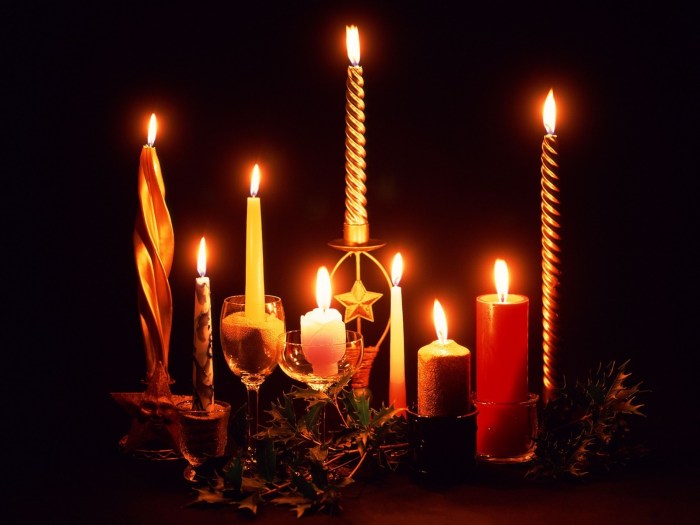
Candles are more than just light sources; they’re potent design tools. This comprehensive guide empowers readers to curate a personalized candle collection, understanding how to select, place, and style candles to optimize their aesthetic and functional impact. By considering various factors, from the material and shape of the candle to the surrounding decor, homeowners can harness the power of candlelight to create captivating and inviting spaces.