
From ancient roots to modern interpretations, Festival of Lights lanterns illuminate a rich tapestry of history, culture, and community. These intricate creations, meticulously crafted and imbued with symbolic meaning, transcend mere illumination, embodying the spirit of the festival. Their evolution, from simple paper forms to elaborate metal masterpieces, mirrors the cultural and artistic development of the communities that celebrate them.
This exploration delves into the historical context of these lanterns, examining their symbolic representations, diverse designs, and intricate construction techniques. It also analyzes the social and cultural roles they play in the Festival of Lights celebrations, tracing their journey through time and highlighting their continued relevance in contemporary society. Moreover, we will explore the environmental impact and sustainable practices in lantern creation, alongside the artistic expressions and literary portrayals of these captivating objects.
Historical Context of Lanterns
The Festival of Lights, a globally celebrated tradition, boasts a rich history deeply intertwined with the symbolic use of lanterns. These luminous beacons, far more than mere illumination, have evolved over centuries, reflecting societal values, technological advancements, and cultural shifts. Their design, materials, and symbolic meaning have all played a crucial role in shaping the festival’s narrative.The use of lanterns in the Festival of Lights tradition predates recorded history, likely originating in the practical need for light during the darkest nights of the year.
Over time, these practical needs transformed into elaborate artistic expressions, carrying deep cultural and religious significance.
Evolution of Lantern Designs
Lantern designs have undergone a significant transformation throughout history. Early lanterns, crafted from readily available materials like clay or bamboo, were simple and functional. As societies progressed, so did the sophistication of their lantern-making techniques. The addition of intricate carvings, painted designs, and metallic embellishments signaled a move towards artistic expression. These advancements were often tied to the societal and economic conditions of the era, demonstrating a dynamic interplay between cultural values and practical considerations.
Materials Used in Lantern Construction
The materials used for lantern construction varied greatly depending on the region and the era. Early lanterns often utilized readily available natural resources, such as clay, bamboo, and reeds. As civilizations developed, more durable and aesthetically pleasing materials, like metal, glass, and paper, entered the scene. The use of these materials reflects advancements in craftsmanship and trade networks.
- Ancient Period: Clay, bamboo, and reeds were the primary materials, owing to their accessibility and ease of shaping. These lanterns served a practical purpose, offering illumination in the evenings.
- Medieval Period: The introduction of metalwork techniques allowed for the creation of more elaborate and durable lanterns. Iron, brass, and bronze became common choices, often decorated with intricate carvings and patterns.
- Modern Period: The use of modern materials, such as plastic and light-emitting diodes (LEDs), has transformed lantern-making. These modern choices enable both energy efficiency and creative design.
Symbolic Meaning of Lanterns
Lanterns in the Festival of Lights carry a profound symbolic meaning. They represent the triumph of light over darkness, hope over despair, and knowledge over ignorance. The act of carrying and displaying these lanterns is a ritualistic affirmation of these ideals, fostering community spirit and collective celebration.
Timeline of Significant Developments in Lantern-Making
A detailed timeline of significant developments in lantern-making would require extensive research. However, a general overview of key milestones would demonstrate the evolution of lantern technology and artistry. The specific dates and locations of these developments would vary based on the region and the specific festival tradition.
| Era | Key Developments |
|---|---|
| Ancient | Simple lanterns constructed from readily available materials. |
| Medieval | Emergence of more complex designs, incorporating metalwork and intricate patterns. |
| Modern | Introduction of modern materials and technologies, leading to both energy-efficient and aesthetically diverse designs. |
Cultural Significance
Lanterns, more than mere decorative objects, are deeply embedded within the fabric of the Festival of Lights, carrying profound cultural and religious significance. Their presence transcends mere illumination, embodying narratives, traditions, and social bonds that have endured through generations. This intricate connection underscores the enduring power of these luminous symbols.Beyond their aesthetic appeal, lanterns embody a powerful symbolic language, communicating profound themes of hope, renewal, and the triumph of light over darkness.
Their intricate designs and carefully chosen materials often narrate stories and convey cultural values. This intricate interplay of symbolism and tradition imbues the festival with a unique and powerful cultural identity.
Role in Storytelling and Traditions
Lanterns frequently serve as tangible representations of stories and traditions. Their intricate designs often depict mythological figures, historical events, or everyday scenes, acting as living repositories of cultural memory. These stories are passed down through generations, each lantern carrying a piece of the collective narrative.
Symbolic Representation of Light and Darkness
The Festival of Lights inherently symbolizes the victory of light over darkness. Lanterns, as luminous objects, embody this triumph, representing hope, knowledge, and spiritual enlightenment. The deliberate act of lighting these lanterns symbolizes the dispelling of ignorance and negativity. This fundamental dichotomy is a recurring motif in various cultures and is evident in the symbolic design and placement of lanterns.
Social and Religious Implications
Lanterns are often integral to social and religious ceremonies. The act of lighting lanterns can be a communal practice, strengthening social bonds and fostering a sense of shared identity. Religious rituals often incorporate the use of lanterns, creating a sacred atmosphere and reinforcing the spiritual significance of the festival. The lanterns serve as visual expressions of devotion and shared belief.
Importance in Community Gatherings
The Festival of Lights frequently involves communal gatherings, and lanterns play a critical role in creating a festive atmosphere. The illumination of numerous lanterns, often strung together or displayed in elaborate arrangements, creates a mesmerizing spectacle that brings people together. This communal celebration underscores the social cohesion and shared identity fostered by the festival. The collective experience of seeing hundreds of lanterns illuminate the night sky is an unforgettable and powerful experience, deeply interwoven with the cultural fabric of the community.
Types of Lanterns
The Festival of Lights is renowned for its vibrant displays of lanterns, each reflecting unique cultural traditions and artistic expressions. Beyond their symbolic value, the diverse range of lantern types used showcases the ingenuity and craftsmanship of the communities that create them. From intricate paper creations to sturdy metal structures, lanterns come in a myriad of forms, sizes, and colors, adding a spectacular visual dimension to the festivities.Beyond their symbolic significance, the variations in lantern types showcase the creativity and craftsmanship of the artisans involved.
These artistic expressions provide a glimpse into the cultural values and artistic traditions associated with the festival. The diverse materials and designs employed in lantern-making offer a fascinating insight into the practical and aesthetic considerations that shape the cultural landscape of the festival.
Lantern Material Variations
Different materials contribute to the distinct characteristics of lanterns, influencing their durability, aesthetic appeal, and the overall experience of the festival. The choice of material often reflects the availability of resources and the specific cultural traditions associated with the area.
| Lantern Type | Materials | Dimensions | Design Features |
|---|---|---|---|
| Paper Lanterns | Thin, lightweight papers, often colored or decorated with intricate designs; rice paper, tissue paper, or other thin, translucent materials are frequently used. | Vary widely, from small, handheld lanterns to large, elaborate structures that can reach several feet in height. Size is often determined by the event and the availability of materials. | Characterized by intricate patterns, vibrant colors, and often adorned with symbols that hold cultural significance. Paper lanterns are often meticulously folded or assembled, showcasing the craftsmanship of the artisans. |
| Clay Lanterns | Clay, often terracotta or earthenware, molded into various shapes and sizes. | Generally smaller than metal or paper lanterns, their size varies depending on the design. They are typically hand-shaped, making each one unique. | The natural color of the clay is often highlighted with painted designs, intricate carvings, or embellishments. Their shape is often more organic and less geometric compared to metal lanterns. |
| Metal Lanterns | Metal, including brass, iron, or aluminum, provides a sturdy structure. | Metal lanterns can range from small, portable ones to large, elaborate structures with multiple panels or intricate designs. | Metal lanterns often feature more geometric designs and intricate details. They can be highly ornate, with engraved patterns or intricate carvings, reflecting the skill and dedication of the artisans. |
Size, Shape, and Color Variations
The sizes, shapes, and colors of lanterns contribute to the overall visual spectacle of the festival. These elements are carefully chosen to enhance the aesthetic appeal and cultural significance of the lanterns.Lantern sizes range from small, handheld versions to large, towering structures that dominate the festival landscape. The shapes can be simple, like circles or squares, or highly complex, incorporating intricate designs and patterns.
Colors used are equally diverse, ranging from bright, bold hues to soft, subtle tones, and often represent specific cultural or religious meanings.
Unique Lantern Styles
Beyond the basic types, unique styles of lanterns emerge from the artistic expression of the communities involved. These styles often incorporate local traditions and cultural elements into their design.For example, some regions might feature lanterns with intricate carvings of local animals or mythical creatures. Others might incorporate vibrant, locally sourced dyes into the paper or clay. These unique styles contribute to the rich tapestry of artistic expression within the festival, offering a captivating glimpse into the cultural heritage of the communities that participate.
Making Lanterns

The intricate art of lantern-making, a cornerstone of the Festival of Lights, blends tradition with creativity. From the simplest paper lanterns to elaborate, multi-tiered structures, the process often involves meticulous craftsmanship and a deep understanding of the materials. This dedication to detail not only enhances the aesthetic appeal of the lanterns but also embodies the spirit of the festival.
The techniques employed in lantern-making vary considerably across cultures and regions, reflecting the diverse traditions that have shaped this beloved practice.Beyond the aesthetic appeal, the process of crafting lanterns often provides a communal experience. Families and communities gather to share skills and knowledge, passing down techniques through generations. This collective effort reinforces cultural identity and fosters a sense of shared heritage, making the lantern-making process an important aspect of the festival itself.
Traditional Lantern-Making Processes
Traditional lantern-making often involves a blend of hand-crafted techniques and readily available materials. The process typically involves meticulous cutting, shaping, and assembly of these materials. This often reflects the cultural values and historical context surrounding the festival. For example, the intricate patterns and designs on some lanterns can symbolize stories, beliefs, or important figures.
Paper Lantern Construction
Paper lanterns are a popular and accessible choice for the Festival of Lights. Their versatility allows for a wide range of designs and sizes, making them suitable for both individual and community projects. The process of creating a paper lantern is relatively straightforward, yet the outcome can be quite striking.
Step-by-Step Guide to Creating a Paper Lantern
- Gather materials: These include colored paper, scissors, tape or glue, string, and a template (optional). The type of paper used significantly impacts the lantern’s durability and aesthetic appeal.
- Prepare the paper: If using multiple sheets of paper, carefully join them to create a larger piece for the lantern’s body. This step often determines the size and shape of the lantern.
- Cut the paper: Carefully follow the template to cut out the lantern’s shape, ensuring precision in measurements. Using a ruler can help maintain the symmetry of the lantern.
- Assemble the lantern: Fold and crease the paper according to the design. Secure the edges with tape or glue. The strength of the joints is crucial to the lantern’s stability.
- Add decorative elements: Once the basic structure is complete, add decorative elements like paint, glitter, or patterns to personalize the lantern. This step showcases artistic expression and creativity.
- Attach the string: Thread the string through pre-drilled holes or designated areas for hanging. The length of the string will determine how high the lantern is displayed.
Comparison of Lantern-Making Techniques
Different cultures utilize various techniques for crafting lanterns, reflecting unique approaches to design and artistry. For example, some cultures employ intricate weaving techniques for their lanterns, while others prioritize intricate paper-cutting designs. These differences highlight the diversity of artistic expression inherent in the festival.
| Technique | Description | Materials |
|---|---|---|
| Paper-cutting | Involves meticulously cutting intricate patterns from paper. | Paper, scissors, stencils (optional) |
| Weaving | Uses interwoven fibers or materials to create a lantern structure. | Bamboo, reeds, fabrics, string |
| Woodcarving | Involves shaping wood to create elaborate lantern designs. | Wood, carving tools |
Tools and Materials for Lantern Making
The specific tools and materials required for lantern-making will vary depending on the chosen technique. For paper lanterns, basic supplies like colored paper, scissors, and glue are sufficient. For more complex designs, additional tools like stencils, carving knives, or weaving needles might be needed. The availability and cost of these materials also influence the practicality of the project.
Lanterns and Light
The Festival of Lights is intrinsically linked to the power and symbolism of light. Lanterns, in their myriad forms and colors, are not mere decorative elements; they are powerful embodiments of the festival’s core themes, serving both practical and symbolic functions. The significance of light extends beyond illumination, deeply woven into the cultural and spiritual fabric of the celebration.
The Role of Light in the Festival
Light, in the Festival of Lights, signifies the triumph of good over evil, knowledge over ignorance, and hope over despair. It represents the dispelling of darkness and the ushering in of a brighter future. The act of lighting lanterns, both large and small, embodies this symbolic battle against the shadows. This act is often accompanied by prayers, rituals, and communal gatherings, further amplifying the significance of the light.
Symbolism of Light in the Festival
The symbolism of light in the Festival of Lights is deeply rooted in the festival’s historical and cultural context. The light emitted by lanterns is believed to ward off negativity and invite positivity, prosperity, and good fortune. This symbolic power is further emphasized by the carefully chosen colors of the lanterns. The festival’s celebration of light often contrasts with the darkness that surrounds it, highlighting the victory of good over evil.
Practical Use of Lanterns in the Celebration
Beyond their symbolic value, lanterns play a crucial practical role in the Festival of Lights celebrations. They illuminate the night, creating a festive ambiance and allowing participants to navigate the festivities safely. This practical function enhances the overall experience and makes the celebration more accessible to all. Lanterns also provide a tangible way for communities to come together and celebrate, strengthening social bonds.
Significance of Different Light Colors in Lanterns
The careful selection of lantern colors carries specific meanings and associations within the Festival of Lights. Each hue evokes a unique symbolic resonance. These colors, therefore, are not simply aesthetic choices but carry deeply embedded cultural and spiritual significance. The use of color is integral to the visual representation of the festival’s themes.
Color Meanings in Festival Lanterns
| Color | Meaning |
|---|---|
| Red | Often symbolizes good fortune, prosperity, and happiness. Red lanterns are frequently used in celebrations to mark joyous occasions. |
| Yellow | May represent warmth, joy, and enlightenment. The color yellow, with its association with the sun, often carries a sense of optimism and good cheer. |
| Blue | Blue lanterns might represent peace, tranquility, and the vastness of the sky. It often signifies a sense of calmness and harmony. |
| Green | Green might symbolize growth, prosperity, and new beginnings. The color often features in lanterns used to celebrate new ventures or auspicious occasions. |
| Orange | Orange might represent creativity, energy, and enthusiasm. The color often signifies a time for creativity and innovation, and is associated with celebrations. |
Lantern Decorations
Lanterns, far more than mere vessels for light, are often meticulously adorned with intricate designs. These decorations serve not only to enhance their aesthetic appeal but also to convey cultural narratives, historical contexts, and local customs. The artistry involved in lantern decoration speaks volumes about the skill and creativity of the artisans who craft them, showcasing a rich tradition passed down through generations.The visual language of lantern decorations often reflects the environment and traditions of the specific region where they are made.
Whether elaborate paintings, intricate paper cuttings, or meticulously crafted embellishments, these decorations contribute to the overall impact and meaning of the lantern. The careful selection of materials and motifs speaks volumes about the cultural values and artistic sensibilities of the community.
Examples of Decorations
Lantern decorations vary widely depending on the region and the specific festival or occasion. Common elements include painted motifs, paper cutouts, sculpted figures, and woven patterns. Elaborate depictions of mythical creatures, historical figures, or seasonal motifs are frequently seen. For instance, in Chinese New Year celebrations, lanterns often feature depictions of auspicious animals, such as the dragon and the phoenix, symbolizing good fortune and prosperity.
Japanese lanterns, often used in temple celebrations, might showcase traditional floral designs or serene landscapes. These examples demonstrate the rich diversity of decorative styles.
Paint, Embellishments, and Patterns
Paint is a fundamental element in many lantern decorations. Colors are often chosen with symbolic meaning, reflecting cultural values and beliefs. For example, in Indian Diwali celebrations, vibrant colors like red and gold signify joy and prosperity. Embellishments, such as beads, sequins, and metalwork, are used to add further texture and visual interest. These elements often complement the painted designs and contribute to the overall aesthetic appeal of the lantern.
The use of intricate patterns, often based on traditional designs or geometric motifs, adds a layer of artistic sophistication to the lanterns.
Table of Common Decorative Elements and their Significance
| Decoration | Significance |
|---|---|
| Dragons | In many East Asian cultures, dragons symbolize power, strength, and good fortune. |
| Flowers | Flowers often represent beauty, prosperity, and the cyclical nature of life. |
| Animals | Animal motifs can represent specific qualities or cultural beliefs. For example, a deer might symbolize grace or longevity. |
| Geometric patterns | Geometric patterns often carry symbolic meaning, reflecting the balance and order in the universe. |
| Paper cutouts | Paper cutouts, often intricate and detailed, add a unique aesthetic element and can be used to create specific patterns. |
Artistry and Creativity in Lantern Decoration
The artistry involved in lantern decoration is often a testament to the skill and dedication of the artisans. The meticulous application of paint, the careful placement of embellishments, and the intricate design of patterns all demonstrate a high level of craftsmanship. The creation of a single lantern can take many hours or even days, showcasing the dedication and precision of the artisans.
The intricate details often speak to the cultural values of the community.
Reflection of Local Customs
Lantern decorations are deeply rooted in local customs and traditions. The specific motifs, colors, and materials used in a particular region’s lanterns often reflect the unique history, beliefs, and practices of that community. The choice of designs and embellishments can reveal specific local stories, historical events, or even contemporary issues. For example, the inclusion of a specific historical figure or event on a lantern can serve as a way to preserve and pass on important cultural narratives.
Modern Interpretations
The Festival of Lights, a celebration steeped in tradition, has found new expressions in contemporary designs. Modern artists are reimagining these ancient symbols of light and hope, incorporating innovative materials and techniques while maintaining the core spirit of the festival. This evolution reflects a dynamic interplay between historical significance and contemporary aesthetics, shaping a fresh perspective on the enduring appeal of lanterns.Modern interpretations of Festival of Lights lanterns extend beyond simple replication, embracing innovative designs that reflect contemporary sensibilities.
Technological advancements are profoundly influencing the aesthetic and functionality of these lanterns, allowing for intricate, often mesmerizing displays.
Contemporary Designs and Interpretations
Contemporary lantern designs often feature intricate patterns and vibrant colors, moving beyond traditional motifs. These designs draw inspiration from various artistic movements, incorporating elements of modern art and abstract expressionism. Some lanterns are crafted with unconventional materials, such as recycled plastics or sustainably sourced woods, emphasizing environmental consciousness.
Influence of Modern Technology
Modern technology has profoundly reshaped the production and presentation of lanterns. 3D printing allows for intricate, previously impossible designs, while LED lighting enables spectacular displays with varying color palettes and dynamic effects. This technological integration not only enhances the visual appeal but also reduces energy consumption compared to traditional light sources. Sophisticated software allows for the creation of programmed light shows, adding an element of dynamism to static displays.
Adaptation of Traditional Designs
Modern artists are adapting traditional lantern designs by incorporating contemporary aesthetics. This includes reimagining the shape and structure of traditional lanterns, using new materials, and exploring innovative lighting techniques. For example, traditional paper lanterns might be augmented with LED lights or embellished with modern art patterns, creating a fusion of old and new. Modern interpretations often incorporate symbols from other cultures, reflecting a globalized perspective and highlighting the universality of light and celebration.
Modern Celebrations and Displays
Lanterns are increasingly used in modern celebrations beyond the traditional festival. Corporate events, weddings, and art installations often feature lantern displays, showcasing their versatility and adaptability. These contemporary applications showcase the ability of lanterns to transcend cultural boundaries and create engaging, memorable experiences. Public art installations often utilize lantern displays to illuminate urban spaces, adding a unique aesthetic dimension to cityscapes.
Examples of Modern Lantern Displays and Installations
Examples of modern lantern displays and installations are readily available. The “Lanterns of Hope” installation in a city park, featuring large, intricately designed lanterns in various shapes and sizes, draws crowds and highlights local artists’ creativity. Another noteworthy example is the “Illuminated Pathways” project, which utilizes smaller, LED-lit lanterns to create a mesmerizing path through a botanical garden, enhancing the beauty of the natural surroundings.
These displays often involve collaboration between artists, engineers, and community members, making them truly collaborative and engaging experiences.
Lanterns and Community
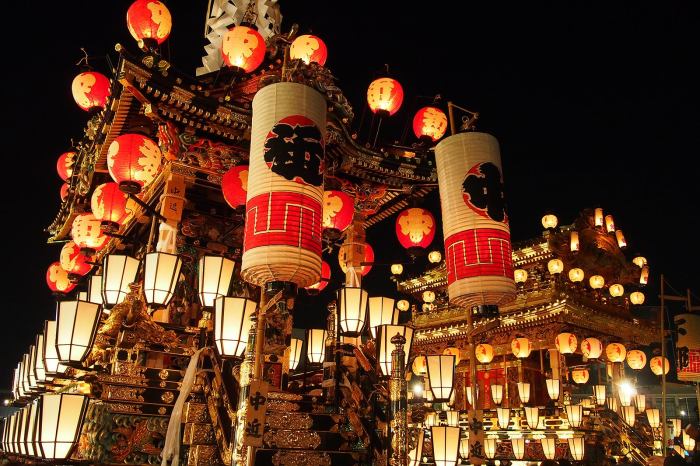
The Festival of Lights isn’t just about individual displays of artistry; it’s deeply intertwined with the communal spirit. Lanterns, in their diverse forms and vibrant hues, serve as powerful symbols of unity and shared celebration, fostering a sense of belonging within communities. Their illumination transcends mere aesthetics, acting as a catalyst for social interaction and collective joy.The act of creating and displaying lanterns often becomes a collaborative endeavor, bringing people together in a spirit of shared purpose and mutual support.
This communal aspect is fundamental to the cultural significance of the festival, strengthening social bonds and fostering a sense of shared identity.
Community Lantern Displays
Community lantern displays represent a potent expression of collective identity and cultural pride. These displays are often organized around specific themes or narratives, reflecting the unique characteristics of the community. From intricate, synchronized lantern dances to mesmerizing light shows projected onto large structures, community displays highlight the shared cultural heritage and aspirations of the group.
Examples of Community Lantern Events
Numerous communities host lantern-making workshops, attracting people of all ages. These workshops are more than just practical sessions; they provide opportunities for socializing, knowledge sharing, and skill development. Neighborhood lantern parades, with families and friends walking together, are common, creating a vibrant atmosphere of joy and festivity. Larger-scale events, such as lantern festivals with elaborate displays and performances, bring together thousands of participants, transforming the local area into a dazzling spectacle of light and color.
Social Interaction Fostered by Lantern-Making and Display
The process of crafting lanterns, from the initial design to the final assembly, encourages collaboration and fosters a sense of shared responsibility within the community. Working together, families, neighbors, and friends develop strong bonds, reinforcing social networks and creating lasting memories. The displays themselves are designed to be viewed collectively, further enhancing social interaction and a shared experience of wonder and celebration.
Displays are frequently accompanied by food stalls, music, and games, creating a vibrant social hub for the community.
Enhancing the Sense of Community
Lanterns have a remarkable capacity to amplify the sense of community. By creating a shared visual experience, they unite people in a common purpose, fostering a feeling of belonging and collective identity. The synchronized displays, or simply the sight of countless lanterns glowing in harmony, create a profound sense of unity and shared purpose. The very act of creating and participating in these displays strengthens the bonds within the community.
Community Participation in Lantern Displays
Community participation is the lifeblood of successful lantern displays. From designing and crafting the lanterns to arranging and maintaining the displays, people contribute their skills and resources to create a truly collective celebration. The level of participation varies, from small contributions like donations to large-scale involvement in workshops and displays. The diversity of participation reflects the inclusive nature of the festival and reinforces the sense of shared ownership and responsibility.
The festival fosters an environment where everyone feels valued and involved, contributing to a strong and cohesive community.
Sustainability and Lanterns

The Festival of Lights, celebrated globally, often involves the use of lanterns, creating a beautiful spectacle. However, the production and disposal of these lanterns can have a significant environmental impact. Addressing this concern requires careful consideration of materials, manufacturing processes, and waste management strategies.The increasing popularity of lantern festivals globally necessitates a shift towards environmentally conscious practices. This approach involves not only the selection of sustainable materials but also the implementation of responsible manufacturing and disposal methods.
This mindful approach aims to minimize the negative impact on the environment while preserving the cultural significance of these celebrations.
Environmental Impact of Lantern Materials and Production
The choice of materials for lantern construction significantly impacts the environmental footprint. Traditional materials like paper, bamboo, and plastic can lead to deforestation, water pollution, and air contamination during production. Furthermore, the large-scale production and use of lanterns often result in substantial waste generation.
Sustainable Alternatives for Lantern Construction
Several sustainable alternatives can reduce the environmental impact of lantern production. Recycled paper and biodegradable materials offer a greener approach. Using locally sourced materials minimizes transportation emissions. Bamboo, when sourced sustainably, can also be a viable option.
Reducing Waste in Lantern-Making and Use
Minimizing waste throughout the lantern lifecycle is crucial. Promoting reusable lantern designs, using materials with high recyclability, and implementing effective waste management systems are essential steps. Furthermore, promoting the reuse and repurposing of old lanterns can extend their lifespan and reduce waste. Encouraging the use of LED lights within lanterns can dramatically decrease the consumption of energy compared to traditional incandescent bulbs.
Eco-Friendly Lantern Designs
Innovative designs can minimize the environmental impact of lanterns. Lanterns made from recycled materials, featuring foldable or modular designs for easy transport and storage, and incorporating energy-efficient LED lighting can contribute to sustainability. A design that prioritizes biodegradability and avoids harmful chemicals is another key aspect of an eco-friendly lantern. Lanterns constructed with a focus on reducing their carbon footprint throughout their entire life cycle are a crucial element of sustainability.
Responsible Lantern Disposal
Proper disposal is essential to minimize environmental damage. Promoting the collection and recycling of lantern materials, especially those made from plastic or metal, is a critical step. Creating designated collection points and providing clear instructions on responsible disposal can help communities effectively manage waste. Additionally, encouraging the use of biodegradable materials will ensure that lanterns break down naturally without harming the environment.
Local authorities and communities should actively participate in educating the public on responsible disposal practices.
Lanterns in Art and Literature
Lanterns, far from being mere illuminators, have served as powerful symbols in art and literature, evoking a wide range of emotions and themes. Their presence transcends simple illumination, becoming a visual metaphor for hope, longing, and the mysteries of the unknown. From ancient depictions to modern interpretations, lanterns have captivated artists and writers, shaping our understanding of human experience.Lanterns have long held a significant place in artistic expression, appearing in various forms across cultures and time periods.
Their ability to both illuminate and conceal, to provide a focus of light while simultaneously suggesting mystery, makes them a compelling subject for artistic exploration. In literature, lanterns frequently function as more than just practical tools; they are often imbued with symbolic meaning, used to enhance narrative and character development.
Examples in Visual Arts
Lanterns have graced countless paintings and sculptures, often playing a key role in the composition and conveying deeper meanings. For example, in Chinese ink paintings, lanterns frequently appear as elements of festive scenes, highlighting celebrations and communal gatherings. These lanterns, often depicted with intricate designs and vibrant colors, contribute to the overall atmosphere and narrative. Similarly, in Japanese woodblock prints, lanterns are sometimes featured as a focal point, used to establish a specific time or mood.
These works often depict lanterns in settings that evoke a sense of tranquility or nostalgia. Renaissance paintings sometimes portray lanterns within domestic or outdoor scenes, adding a touch of realism and contributing to the overall atmosphere.
Examples in Literary Works
Literary works frequently utilize lanterns to create evocative imagery and enhance the narrative. In many novels and short stories, lanterns serve as symbolic objects, contributing to the overall tone and meaning. For instance, a lantern held by a lone traveler at night can evoke feelings of isolation and uncertainty. A brightly lit lantern in a bustling marketplace might suggest a sense of warmth and community.
Descriptions of lanterns in literature can range from simple observations of their physical attributes to detailed portrayals of their intricate designs, adding layers of sensory experience to the narrative.
Role in Conveying Themes and Emotions
Lanterns, in both art and literature, frequently play a significant role in conveying themes and emotions. Their use in works of art can evoke feelings of joy, celebration, or longing, depending on the context and surrounding imagery. In literary works, lanterns are often used to highlight the emotional state of characters or to establish the atmosphere of a specific scene.
For instance, a flickering lantern in a haunted house might create a sense of dread and suspense, whereas a brightly lit lantern in a celebratory setting could evoke feelings of warmth and community.
Use in Storytelling
Lanterns are frequently used in storytelling to add depth and visual imagery to the narrative. In many cultures, lanterns have been used in traditional storytelling and folklore. For example, a lantern guiding a hero through a dark forest could represent hope and courage, while a lantern left behind could suggest the loss of something important. In some instances, the lantern itself may be a central figure in the narrative, symbolizing knowledge, enlightenment, or the pursuit of a specific goal.
Artistic Inspiration
The presence of lanterns in art and literature has served as a source of artistic inspiration for countless artists and writers. The beauty and symbolic potential of lanterns have provided a rich source of imagery and themes, contributing to the diversity and depth of artistic expression. Artists and writers often draw inspiration from the varied forms, colors, and uses of lanterns, allowing them to create unique and compelling narratives.
Lanterns’ ability to capture both light and shadow has fueled countless artistic interpretations, reflecting the interplay between light and darkness, hope and despair.
Wrap-Up
In conclusion, Festival of Lights lanterns are more than just decorative objects; they are living testaments to cultural heritage, artistic ingenuity, and the enduring power of community. Their history, symbolism, and diverse forms offer a profound insight into the traditions and values that shape these celebrations. From the intricate craftsmanship to the vibrant displays, these lanterns continue to illuminate and inspire, reminding us of the beauty and significance of shared experiences.
