Wooden wall clocks, more than mere timepieces, are captivating statements of style and craftsmanship. Their enduring appeal stems from the unique blend of aesthetic beauty and functional precision. From the intricate details of their designs to the nuanced choices of wood used, these clocks tell a story of meticulous artistry and enduring quality.
This guide delves into the world of wooden wall clocks, exploring their history, design elements, mechanics, materials, and even the nuances of pricing and care. We’ll examine the factors that influence their size and suitability for various environments, ultimately illuminating why they continue to hold a special place in home decor.
Overview of Wooden Wall Clocks
Wooden wall clocks, a timeless fixture in homes and offices worldwide, offer a unique blend of functionality and aesthetic appeal. Their enduring popularity stems from the warmth and character they bring to any space, a visual connection to nature and craftsmanship. Beyond their visual appeal, these clocks often exhibit a robust build, reflecting a commitment to quality and longevity.The design language of wooden wall clocks spans a wide spectrum, from simple, minimalist designs to elaborate, ornate pieces.
This diversity caters to a variety of tastes and decor styles, from contemporary modern spaces to traditional settings. The history of these clocks is interwoven with the evolution of woodworking techniques and design sensibilities, creating a fascinating narrative of craftsmanship across different eras.
Styles and Designs
Wooden wall clocks exhibit a remarkable variety of styles, each reflecting specific design aesthetics and historical periods. From the intricate carvings of antique pieces to the clean lines of modern designs, the options are plentiful. Classic styles often feature intricate detailing, such as floral patterns, classical motifs, or stylized figures. Contemporary designs lean towards simplicity, using natural wood tones and minimalist shapes.
These variations provide a diverse range of choices to complement a multitude of interior design styles.
Materials and Their Impact
The type of wood used significantly influences the aesthetic appeal and durability of a wooden wall clock. Different woods offer unique grain patterns, colors, and textures, contributing to the overall visual impact. Popular choices include oak, cherry, maple, walnut, and mahogany, each with distinct characteristics.
- Oak, with its robust and pronounced grain, lends a sturdy and traditional feel, suitable for a variety of interior styles. Its natural color palette often blends seamlessly into a classic setting.
- Cherry wood, known for its rich reddish-brown hue and subtle grain, often creates a warm and inviting ambiance. It is particularly appreciated for its elegant visual appeal.
- Maple, with its light and consistent grain, is frequently chosen for its clean and modern aesthetic. The light tones create a bright and airy feel.
- Walnut, with its dark brown tones and distinctive swirling patterns, often lends a sophisticated and luxurious character to the clock. Its deep color is a hallmark of quality and elegance.
- Mahogany, prized for its rich, dark reddish-brown color and distinctive texture, creates a luxurious and substantial presence. It’s a traditional choice for high-end furniture pieces and clocks.
Historical Evolution
The evolution of wooden wall clocks mirrors the broader development of woodworking techniques and design trends throughout history. Early examples often showcased intricate carvings and ornate details, reflecting the craftsmanship of the era.
- During the 18th and 19th centuries, clockmaking became a highly specialized craft, leading to the creation of sophisticated and intricate wooden wall clocks, often with elaborate decorative elements and high levels of precision in their mechanisms.
- The 20th century witnessed a shift towards more streamlined designs, with a greater emphasis on functionality and simplicity. This evolution coincided with the rise of modern design principles.
Design and Aesthetics
Wooden wall clocks, beyond their functional purpose, are often carefully crafted pieces that elevate interior design. Their aesthetic appeal is a significant factor in consumer choice, impacting both the perceived value and the overall ambiance of a space. The design elements, encompassing shape, size, color, and ornamentation, play a crucial role in creating a visually engaging and harmonious piece.The visual appeal of wooden wall clocks stems from a careful interplay of design choices.
Shape, for example, can range from traditional round dials to more contemporary geometric forms. Size impacts the clock’s prominence in a room, with larger pieces often commanding more attention. Color palettes, from the warm tones of natural wood to stained or painted finishes, contribute to the clock’s overall aesthetic. Ornamentation, like intricate carvings or inlaid patterns, adds a touch of sophistication and artistry.
Shape and Size Considerations
The shape of a wooden wall clock directly affects its visual impact. Round shapes evoke a sense of classicism and timelessness, often associated with traditional designs. Square or rectangular shapes lend a more contemporary or minimalist aesthetic. The choice of shape should be considered in relation to the surrounding décor. Size also plays a crucial role, with larger clocks drawing the eye and smaller clocks fitting more subtly into a space.
A well-chosen size complements the scale of the room and the other decorative elements.
Color and Ornamentation
The color palette of a wooden wall clock, often determined by the wood type and finishing techniques, can significantly impact the overall ambiance. Natural wood tones like oak or cherry exude warmth and elegance, while darker finishes can create a more dramatic effect. Staining or painting can introduce a broader range of colors and styles, from pastels to bold hues, adapting to various interior design schemes.
Ornamentation, including carvings, inlays, or painted details, adds a touch of artistry and personality. Intricate carvings can convey tradition and craftsmanship, while simpler designs can maintain a contemporary aesthetic.
Design Styles
Different design styles for wooden wall clocks offer a diverse range of options. Traditional clocks often feature classic round shapes, intricate carvings, and rich wood finishes, evoking a sense of heritage and history. Modern clocks favor clean lines, geometric shapes, and minimalist designs, creating a contemporary and streamlined aesthetic. Rustic clocks typically showcase natural wood tones, simple shapes, and subtle ornamentation, embodying a connection to nature and a sense of relaxed elegance.
Minimalist clocks prioritize simplicity, employing neutral colors and clean lines, making them a versatile addition to a variety of settings.
Craftsmanship’s Role
Craftsmanship is paramount in the aesthetic appeal of wooden wall clocks. The quality of the wood, the precision of the woodworking, and the skill of the clockmaker all contribute to the clock’s overall visual appeal and durability. A well-crafted clock demonstrates a commitment to detail and quality, reflecting the time and care put into its creation. This meticulous approach not only enhances the aesthetic but also adds value to the piece.
Examples of Wooden Wall Clock Designs
| Image | Style | Wood Type | Key Features |
|---|---|---|---|
| (Imagine a clock with a round, light oak face, simple hands, and a classic design.) | Traditional | Oak | Classic round shape, simple hands, natural wood tones |
| (Imagine a clock with a square, dark walnut face, minimalist design, and clean lines.) | Modern | Walnut | Square shape, clean lines, dark wood finish |
| (Imagine a clock with a rectangular, light pine face, natural wood finish, and subtle carvings.) | Rustic | Pine | Rectangular shape, natural wood finish, subtle carvings |
| (Imagine a clock with a round, light ash face, minimal ornamentation, and clean lines.) | Minimalist | Ash | Round shape, minimal ornamentation, clean lines, light wood tones |
Functionality and Mechanics
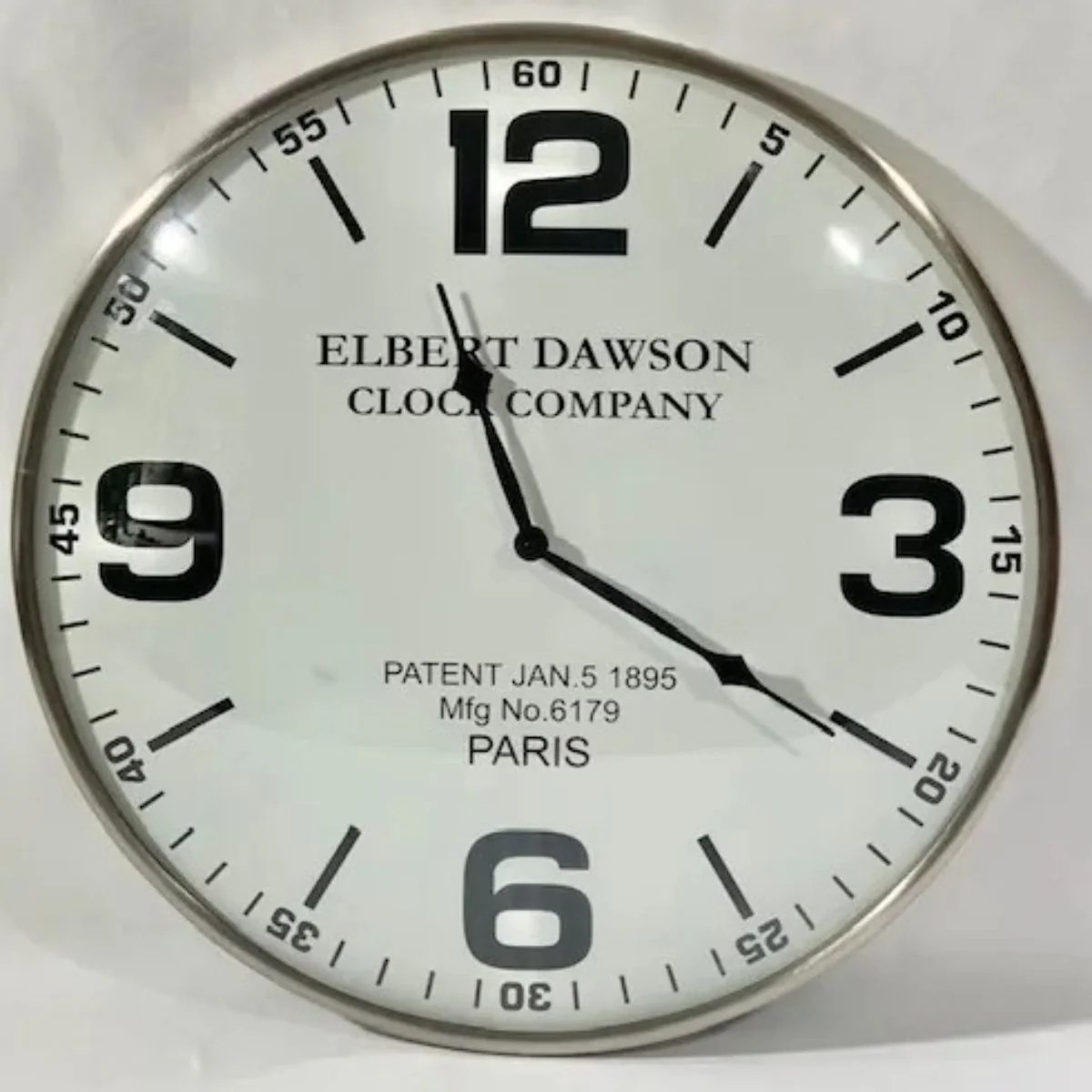
Wooden wall clocks, while often perceived as decorative pieces, rely on intricate mechanisms for precise timekeeping. Their aesthetic appeal is intrinsically linked to their functionality, requiring a delicate balance between artistry and accuracy. The choice of movement, whether pendulum, quartz, or another type, significantly impacts the clock’s performance and longevity.
Mechanisms Used
The heart of a wooden wall clock lies in its movement. Different types of movements offer varying levels of precision and complexity. Pendulum clocks, renowned for their historical significance, employ a weighted pendulum swinging back and forth to regulate the timekeeping mechanism. This mechanical process relies on the consistent oscillation of the pendulum to drive the clock’s gears.
Quartz clocks, prevalent in modern designs, utilize the piezoelectric effect in a quartz crystal to produce a precise, stable oscillation frequency. This oscillation, when amplified and regulated, drives the clock’s gears, resulting in extremely accurate timekeeping. Other types of movements, such as those using springs or weights, are less common in contemporary wooden wall clocks, but still represent historical methods of timekeeping.
Importance of Precision
Precision in the mechanics of a wooden wall clock is paramount. Minor variations in the clock’s components can lead to significant inaccuracies over time. The slightest imperfections in the gears, the pendulum’s swing, or the quartz crystal’s oscillation will impact the clock’s accuracy. This precision is vital for both practical and aesthetic reasons. A clock that consistently gains or loses time can be frustrating, while a clock that runs erratically can detract from its overall aesthetic appeal.
Key Components
A wooden wall clock’s mechanism comprises several crucial parts working in harmony. The escapement, a critical component, regulates the transfer of energy from the mainspring or other power source to the gear train. The gear train, a complex system of interlocking gears, amplifies the motion of the escapement and transmits it to the hands. The hands, typically made of metal, accurately indicate the time by moving around the clock face.
The pendulum, in pendulum clocks, or the quartz crystal, in quartz clocks, are the oscillating elements that regulate the timekeeping mechanism.
Flowchart of Functioning
A simple flowchart illustrating the functioning of a typical wooden wall clock follows.
| Step | Description |
|---|---|
| 1. Power Source | The clock’s power source (e.g., mainspring, battery) provides the initial energy. |
| 2. Escapement | The escapement regulates the flow of energy from the power source to the gear train. |
| 3. Gear Train | The gear train amplifies and transmits the energy to the hands. |
| 4. Oscillating Element | The pendulum (in pendulum clocks) or quartz crystal (in quartz clocks) oscillates at a precise rate, controlling the clock’s rhythm. |
| 5. Hand Movement | The gear train moves the hands, indicating the time on the clock face. |
Materials and Construction
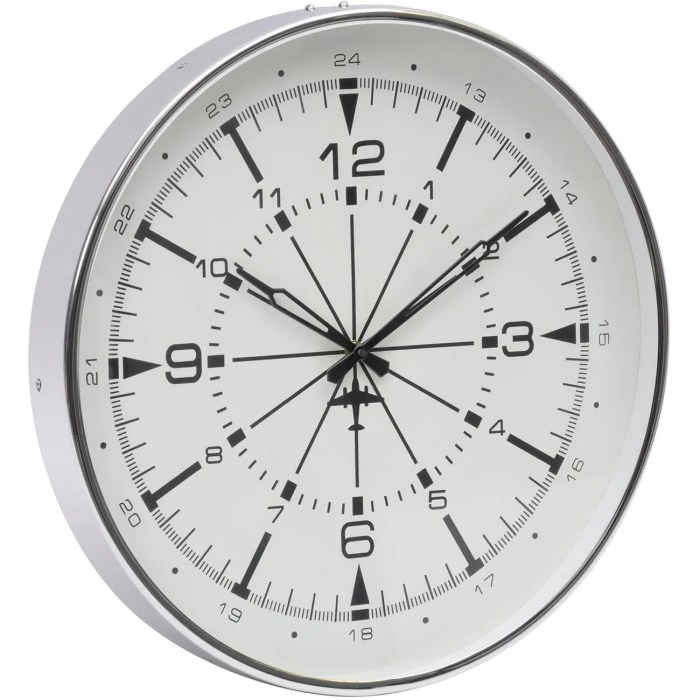
From the intricate carvings to the smooth, polished surfaces, the materials and construction techniques employed in wooden wall clocks are crucial to their aesthetic appeal and longevity. The choice of wood, the precision of joinery, and the overall craftsmanship all contribute to the unique character and value of these timepieces. High-quality materials and meticulous construction are paramount to ensuring a clock’s durability and its ability to stand the test of time.
Wood Selection
The selection of wood profoundly impacts the clock’s aesthetic and functional properties. Different wood types offer distinct characteristics, including varying grain patterns, hardness, and durability. This variety allows for a wide spectrum of design possibilities, from rustic charm to sophisticated elegance. Careful consideration of these factors is essential in achieving the desired aesthetic and ensuring the clock’s structural integrity.
Woodworking Techniques
Various woodworking techniques are employed to create the intricate details and sturdy structure of wooden wall clocks. These techniques range from traditional hand-carving to modern CNC machining, each contributing to the unique qualities of the finished product. The level of skill and precision employed in these techniques directly affects the clock’s overall quality and aesthetic. Some common methods include mortise and tenon joinery, dovetailing, and various types of gluing and finishing techniques.
The precision of these methods ensures the clock’s stability and longevity.
Quality and Durability
The longevity and durability of a wooden wall clock are significantly influenced by the quality of the materials and the precision of the construction. High-quality hardwoods, such as walnut, cherry, or mahogany, are often preferred due to their inherent strength and resistance to warping or damage. Expert craftsmanship in joinery and finishing ensures the clock’s structural integrity and resistance to environmental factors like moisture and temperature fluctuations.
This combination of factors ultimately determines the clock’s ability to remain a cherished piece for years to come.
Comparison of Wood Types
| Wood Type | Durability | Grain Pattern | Maintenance Needs | Examples of Applications |
|---|---|---|---|---|
| Mahogany | High | Intricate, often with rich color variations | Requires occasional polishing and protection from moisture | Often used for decorative accents and for its ability to take a high polish |
| Walnut | High | Straight, dark brown with distinctive patterns | Requires occasional polishing and protection from moisture | Excellent for both intricate detailing and for creating a solid base |
| Cherry | Medium-High | Medium-fine, reddish-brown grain | Requires occasional cleaning and protection from moisture | A versatile choice suitable for both traditional and contemporary designs |
| Oak | High | Bold, distinctive, and often with knots | Requires occasional sealing and protection from moisture | A durable choice that lends itself well to rustic or farmhouse designs |
| Pine | Lower | Straight, light-colored with visible knots | Requires regular sealing and protection from moisture | Often used for less-critical parts, but can be beautiful with careful finishing |
This table illustrates the range of properties found in various wood types, highlighting the importance of considering the specific needs of a clock’s design and intended use when selecting a wood type. The table serves as a valuable reference for understanding the practical considerations behind material selection in the creation of wooden wall clocks.
Size and Dimensions

The size of a wooden wall clock significantly impacts its visual appeal and functionality within a given space. Choosing the right dimensions is crucial for achieving aesthetic harmony and a balanced presence in a room. Considerations such as the clock’s scale relative to the room’s size and the overall design aesthetic of the space are paramount.The perceived weight and presence of a wooden wall clock are directly correlated to its size.
A smaller clock may seem delicate and understated, while a larger one projects a stronger statement, adding a sense of grandeur. This interplay of scale and presence can significantly alter the overall ambiance of a room.
Factors Influencing Clock Size
Room size, style preferences, and aesthetic balance play a critical role in determining the ideal clock size. A large clock in a small room can overwhelm the space, while a diminutive clock in a vast hall may appear insignificant. Furthermore, the overall design aesthetic of the room, including the furniture and decor, should inform the choice of clock size.
A contemporary, minimalist room might benefit from a smaller, sleek clock, whereas a traditional or rustic space could accommodate a larger, more elaborate timepiece.
Impact of Size on Perceived Presence
The size of the clock directly influences its perceived weight and presence. A larger clock, for instance, will generally appear more substantial and commanding, while a smaller clock will have a more subtle and understated presence. This consideration is essential in achieving visual balance and harmony within the room’s design. For example, a 30-inch diameter clock in a small living room may overwhelm the space, while a 12-inch clock in a large living room may seem out of place.
Size Recommendations for Different Room Settings
The appropriate size for a wooden wall clock depends heavily on the dimensions of the room it will occupy. The table below provides a general guideline for choosing the right size based on room characteristics.
| Room Size | Clock Size Recommendation (Diameter) | Suitability |
|---|---|---|
| Small (e.g., bedroom, home office) | 12-20 inches | Subtle, understated presence, complements smaller spaces. |
| Medium (e.g., dining room, living room) | 20-28 inches | Suitable for creating a focal point, maintains a balanced presence. |
| Large (e.g., foyer, expansive living room) | 28-40 inches | Adds a statement piece, enhances the grandness of a large space. |
Price and Value
Wooden wall clocks, a timeless design choice, vary significantly in price, reflecting a complex interplay of factors. This disparity in cost arises from the nuances of materials, craftsmanship, design intricacy, and brand recognition, all of which contribute to the overall value proposition. Understanding these factors is crucial for discerning the optimal value for any given purchase.The price of a wooden wall clock is not simply a function of the wood’s cost; it encompasses the entire production process, from initial design and material selection to the intricate detailing and the meticulous finishing.
A clock featuring rare wood species, intricate carvings, or advanced movement mechanisms will invariably command a higher price compared to a simpler design using more readily available materials.
Factors Affecting Price
The price range of wooden wall clocks is shaped by a multitude of interconnected factors. The quality and rarity of the wood used directly influence the cost. For example, a clock crafted from sustainably sourced, high-quality mahogany will typically be more expensive than one made from a readily available pine.
- Materials: The type and quality of wood used, along with any additional materials like brass or glass, are significant determinants of price. Exotic woods, particularly those with unique grain patterns or historical significance, can elevate costs considerably. Furthermore, the use of sustainably harvested wood is increasingly becoming a factor in pricing, with environmentally conscious consumers often willing to pay a premium.
- Craftsmanship: The skill and experience of the clockmaker significantly impact the final price. Hand-carved designs, intricate inlays, or meticulously polished surfaces reflect the time and effort invested, which directly translates to a higher price point. This is especially true for artisan-made clocks.
- Complexity of Design: The intricacy of the design, including the number of components, carvings, and details, influences the price. Clocks with elaborate patterns, multiple hands, or intricate decorative elements will command higher prices than simpler designs.
- Brand Recognition: Established brands in the artisanal clockmaking industry often command higher prices due to their reputation for quality, craftsmanship, and design. The perceived value of a well-known brand can significantly influence consumer willingness to pay.
Value Proposition Comparison
Evaluating the value proposition of different wooden wall clocks necessitates a comparison of features and pricing. A simple, functional clock using readily available materials may provide exceptional value for the price, while a more elaborate design with intricate details might offer a higher level of aesthetic appeal but at a premium cost. The consumer must consider their specific needs and preferences to determine the best value for their purchase.
- Simple vs. Elaborate: A simple wooden wall clock might be ideal for a modern minimalist aesthetic, offering a clean, uncluttered look. These clocks often provide great value for their straightforward design and practicality. In contrast, elaborate designs, often hand-crafted, provide an aesthetic statement but carry a higher price tag. The value here lies in the unique piece of art it represents, potentially appreciating in value over time.
- Functionality vs. Aesthetics: Some wooden wall clocks prioritize functionality, focusing on precise timekeeping and durability. Others prioritize aesthetic appeal, featuring intricate designs and unique features that enhance the ambiance of a room. The value proposition shifts based on whether the consumer prioritizes practical utility or artistic expression.
Investment-Grade Wooden Wall Clocks
The concept of “investment-grade” wooden wall clocks typically refers to pieces with exceptional craftsmanship, rare materials, and unique historical or artistic significance. These clocks are often collected by enthusiasts and can appreciate in value over time, mirroring the market trends of other collectible items. These clocks are not merely decorative; they represent a potential investment, much like fine art or antiques.
- Historical Significance: Clocks with historical significance, such as those from specific time periods or crafted by renowned artisans, are often categorized as investment-grade. Their rarity and connection to the past add to their value.
- Rarity of Materials: Clocks crafted from extremely rare wood species, or those with unique characteristics, such as exceptional grain patterns or markings, may be considered investment-grade. The rarity of the materials directly influences the perceived value and potential for appreciation.
- Exceptional Craftsmanship: Pieces with exceptional craftsmanship, reflecting the highest levels of skill and detail, can often be considered investment-grade. The dedication to quality and intricate design is a hallmark of these pieces, adding to their perceived value.
Care and Maintenance
Wooden wall clocks, with their intricate designs and craftsmanship, deserve careful attention to ensure longevity. Proper care and maintenance not only preserve their aesthetic appeal but also maintain their precision and functionality over time. Neglect can lead to damage, reducing the clock’s value and potentially leading to costly repairs.Preserving the beauty and functionality of wooden wall clocks requires proactive steps.
A consistent routine of cleaning and protection will significantly extend the clock’s lifespan. This involves understanding the materials used in construction, the potential sources of damage, and the best methods for addressing them. Following these guidelines can safeguard the investment and enjoyment of these decorative timepieces.
Cleaning Methods
Regular cleaning is crucial to maintain a clock’s pristine condition. Dust accumulation, dirt, and fingerprints can diminish its visual appeal and even damage the wood’s surface over time. Gentle cleaning methods are essential to prevent scratching or discoloration. Use a soft, dry cloth to remove dust and debris from the clock’s face and hands. For stubborn marks, a very slightly dampened microfiber cloth, or a soft brush, can be used.
Avoid using harsh chemicals or abrasive materials, as these can damage the finish and wood itself. Avoid excessive moisture.
Protecting from Damage
Protecting wooden wall clocks from damage is vital to maintaining their value and longevity. Avoid placing the clock in direct sunlight or near extreme temperature fluctuations. These conditions can cause warping or cracking of the wood. Positioning the clock away from high-traffic areas, where it is less prone to bumps or accidental impacts, will help minimize potential damage.
If the clock is positioned in an area subject to high humidity, consider using a humidity-control solution to maintain optimal conditions.
Importance of Regular Maintenance
Regular maintenance is paramount to ensuring the longevity of wooden wall clocks. This includes checking the clock’s movement for any signs of malfunction or wear. Address any issues promptly to prevent further problems. A well-maintained clock will not only look better but also function accurately, preserving its value as a decorative and functional piece. Over time, the components of the movement may require lubrication or replacement, which can be handled by a qualified watchmaker.
Care and Maintenance Guide
| Task | Frequency | Method | Troubleshooting |
|---|---|---|---|
| Dusting | Weekly | Use a soft, dry cloth or brush. | If dust accumulates rapidly, consider relocating the clock to a less dusty area. |
| Cleaning | Monthly | Use a slightly dampened microfiber cloth. Avoid harsh chemicals. | If stains persist, consult a professional clock repair specialist. |
| Inspecting Movement | Quarterly | Check for signs of wear, misalignment, or loose parts. | If the clock stops working, contact a professional watchmaker. |
| Environmental Monitoring | Continuously | Ensure the clock is placed in a stable, temperature-controlled environment. | High humidity or temperature fluctuations can cause warping or damage. |
| Protective Measures | As needed | Shield the clock from direct sunlight, extreme temperatures, and physical impact. | If the clock experiences damage, seek professional repair. |
Usage and Application
Wooden wall clocks, with their timeless appeal and diverse design options, offer a versatile solution for enhancing any space. Beyond their basic function of telling time, these clocks serve as impactful decorative elements, capable of subtly influencing the overall ambiance and aesthetic of a room. Their integration into various settings, from cozy living rooms to professional offices, can transform a space from functional to thoughtfully designed.The strategic placement and style of a wooden wall clock can dramatically alter the perceived atmosphere of a room.
Whether adding a touch of rustic charm to a farmhouse kitchen or a modern flair to a contemporary office, these clocks are adaptable to a wide range of interior design styles. Their ability to seamlessly blend into a space while offering a focal point makes them a desirable addition.
Residential Settings
Wooden wall clocks are ideally suited for complementing the warmth and personality of a home. Their natural material adds a sense of grounding and tranquility to living areas.
- Living Rooms: A large, intricately carved wooden clock can anchor a living room, drawing the eye and setting a sophisticated tone. Alternatively, a smaller, minimalist clock can blend seamlessly with a modern aesthetic, serving as a subtle but effective accent piece.
- Bedrooms: A serene, wooden wall clock, perhaps with a delicate design, can promote a sense of calm and order in a bedroom. The subtle ticking sound can even be soothing for some individuals, contributing to a relaxing atmosphere.
- Kitchens: In a kitchen, a rustic wooden clock with a distressed finish can complement farmhouse or country-style decor. Its functionality, alongside its visual appeal, makes it a practical and attractive choice for this busy space.
- Dining Rooms: A wooden clock with a classic design can add elegance and sophistication to a dining room. Its presence can complement the refined ambiance of a formal dining area or create a more welcoming atmosphere in a casual setting.
Commercial Settings
In commercial environments, wooden wall clocks can enhance professionalism and create a welcoming atmosphere.
- Offices: A sleek, modern wooden clock can project a sophisticated image, aligning with a professional corporate aesthetic. Its presence can create a sense of order and efficiency within a workplace.
- Restaurants and Cafes: A rustic or vintage-style wooden clock can evoke a sense of warmth and charm, enhancing the ambiance and attracting customers. The clock can serve as a subtle focal point within the overall design of the space, making it a perfect addition.
Design Principles
The design principles for incorporating a wooden wall clock should always consider the overall aesthetic of the space.
- Color Palette: The wood tone of the clock should harmonize with the existing color scheme of the room. A dark wood clock can add depth and richness, while a lighter wood clock can provide a more airy and bright ambiance.
- Scale and Proportion: The size of the clock should be proportionate to the size of the wall and the overall room dimensions. A large clock in a small room can overwhelm the space, while a tiny clock in a large room can appear insignificant.
- Style Coordination: The design style of the clock should align with the overall design style of the room. A modern clock will look out of place in a traditional setting, and vice-versa.
Functionality
The functionality of the wooden wall clock extends beyond telling time. Its placement and design can significantly affect the overall flow and feel of the space.
- Focal Point: A large, unique clock can act as a focal point, drawing the eye and adding visual interest to a room.
- Ambiance: The subtle ticking sound of a clock can create a calming atmosphere, particularly in bedrooms or relaxation areas.
- Style Accents: A carefully selected clock can seamlessly integrate into an existing décor, complementing existing furniture and artwork.
Modern Trends and Innovations
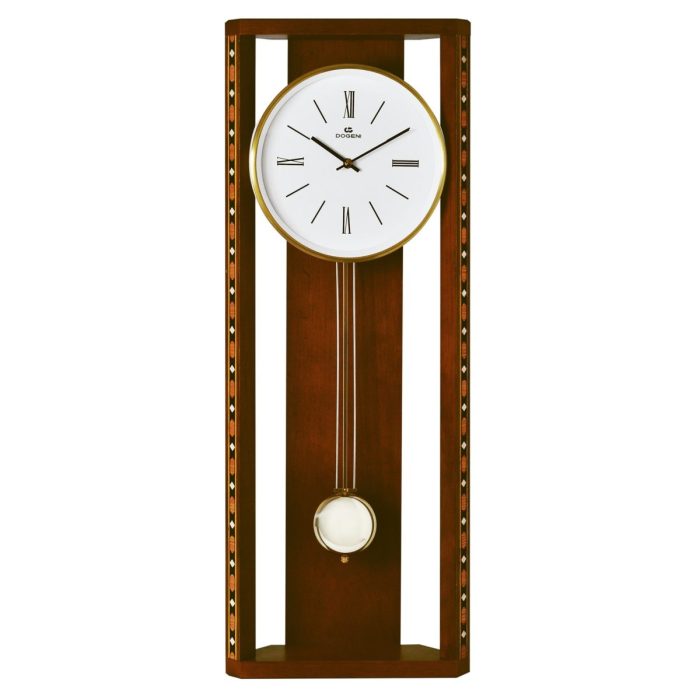
Wooden wall clocks, once a staple of traditional interiors, are undergoing a significant evolution. Modern designers are pushing boundaries, blending classic craftsmanship with cutting-edge technology and materials. This evolution reflects a broader trend in home decor, prioritizing unique aesthetic statements and functional design.The rise of sustainable practices and a renewed appreciation for handcrafted items are also driving innovative approaches to wooden wall clock production.
This is evidenced by a growing interest in locally sourced wood and environmentally responsible manufacturing processes. These factors contribute to a more conscious and deliberate design philosophy.
Latest Trends in Design
Modern wooden wall clocks are increasingly incorporating minimalist aesthetics, sleek silhouettes, and a variety of color palettes beyond the traditional browns and grays. Geometric shapes, bold patterns, and integrated lighting systems are becoming prominent features. The aim is to create clocks that seamlessly integrate into contemporary spaces while offering a unique visual appeal. This shift in design philosophy is a response to the demand for unique and visually striking pieces that complement the evolving needs of modern homes.
Emerging Materials and Techniques
The use of exotic woods, such as ebony, rosewood, and walnut, is becoming more prevalent in high-end designs. These woods offer distinct grain patterns and rich tones that add an element of luxury. Innovative techniques, like intricate inlay work, are also finding their way into modern clock designs. The application of natural finishes, such as oils and waxes, is gaining popularity, preserving the natural beauty of the wood while enhancing its durability.
This emphasis on natural materials and techniques aligns with the current consumer preference for sustainable and handcrafted products.
Innovative Wooden Wall Clock Designs
A notable trend is the integration of digital technology into traditional wooden clock mechanisms. Some designs incorporate touchscreens or LED displays, allowing for customization of the time display or even integrating additional functionalities like calendar displays or weather information. Another emerging innovation is the use of sustainable, recycled wood veneers and laminates. This approach allows designers to create unique patterns and colors without compromising on environmental responsibility.
Examples of this include intricate clock faces with multiple layers of wood veneers, showcasing the diverse grain patterns and textures. The incorporation of unique wood types and finishing techniques, like marquetry, also leads to visually appealing and highly personalized designs. The interplay between traditional craftsmanship and modern technology creates compelling and functional pieces.
Sourcing and Availability
Wooden wall clocks, a timeless home décor element, are available through diverse channels, catering to various preferences and budgets. Their accessibility extends beyond traditional retail settings, offering consumers a spectrum of choices and supporting local artisans. Navigating the options requires a keen understanding of sourcing methods and the values they represent.Finding the perfect wooden wall clock involves careful consideration of factors beyond price.
Understanding the source of the clock and the craftsmanship involved can enhance the appreciation for the piece and its enduring quality.
Online Retailers
Online marketplaces provide a vast selection of wooden wall clocks, encompassing diverse styles, materials, and price points. This accessibility allows customers to compare options easily and potentially find unique pieces. However, the lack of personal interaction and the need to rely on product descriptions and reviews can pose a challenge in evaluating the quality and craftsmanship. Examples include Amazon, Etsy, and specialized clock retailers.
Local Artisans
Supporting local artisans directly fosters a unique connection with the craftsmanship behind the clock. Visiting workshops and galleries provides a firsthand experience, enabling customers to appreciate the artistry and often discover bespoke designs. This approach frequently leads to higher-quality pieces, reflecting the dedication and personal touch of the creator. However, the availability and selection might be more limited compared to online retailers.
Furthermore, prices may be higher due to the cost of materials and labor.
Antique Shops
Antique shops often harbor unique, vintage wooden wall clocks, showcasing historical styles and craftsmanship. These pieces provide a sense of history and often embody a story. However, determining authenticity and condition can be crucial, and prices can vary considerably depending on the age, rarity, and condition of the clock. Careful research and assessment are essential when considering antique options.
Factors to Consider When Sourcing
Several crucial factors influence the decision of where to purchase a wooden wall clock. Price, quality, design, and the desired level of customization are key considerations. Also, supporting local artisans fosters a sense of community and contributes to the local economy. A thorough understanding of the sourcing method is critical in ensuring a satisfying purchase experience. Considering the level of customization, the craftsmanship, and the unique history behind the clock are essential steps.
| Source | Pros | Cons |
|---|---|---|
| Online Retailers | Vast selection, easy comparison, potentially lower prices | Limited interaction, reliance on descriptions, potential quality concerns |
| Local Artisans | Unique designs, high-quality craftsmanship, supporting local economy | Limited selection, potentially higher prices, less convenient |
| Antique Shops | Historical significance, unique pieces, potential for exceptional value | Authenticity concerns, varying conditions, potentially high prices |
Comparison with Other Wall Clocks
Wooden wall clocks offer a distinct aesthetic and tactile experience that sets them apart from their metal, glass, or digital counterparts. Their inherent warmth and natural beauty contribute to a unique ambiance in any space, differentiating them from the often more industrial or stark designs of other types of clocks. Furthermore, the craftsmanship and quality materials used in many wooden clocks can provide a significant value proposition.The tactile and visual appeal of wood creates a different atmosphere compared to the more clinical feel of metal or the potentially sterile look of glass.
This difference is particularly significant in residential settings, where a sense of coziness and warmth is often desired. Furthermore, the inherent durability of well-crafted wooden clocks, particularly if made from hardwoods, can be a major factor in the long-term value proposition.
Aesthetic Differentiation
Wooden wall clocks frequently exhibit a natural aesthetic, often complementing the warm tones and textures of homes and offices. This contrasts with the more industrial or modern look of metal clocks, or the clean lines sometimes associated with glass clocks. The natural grain of the wood adds a unique character that metal or digital clocks cannot replicate. This visual distinction can play a crucial role in establishing a particular design theme or aesthetic.
For example, a minimalist home may favor a simple, modern metal clock, while a rustic or cottage-style home might be better suited to a wooden clock with intricate details.
Durability and Longevity
The durability of wooden clocks depends significantly on the type of wood used and the construction methods. Hardwoods like oak, cherry, or walnut, known for their density and strength, can withstand daily wear and tear and potentially last for decades. Metal clocks, while often durable, can be susceptible to scratches or damage from impacts. Glass clocks, while visually appealing, can be fragile and prone to breakage, leading to higher replacement costs.
In contrast, the inherent strength of quality wooden clocks can translate to a longer lifespan.
Value Proposition
The value proposition of wooden wall clocks extends beyond mere functionality. The natural beauty and craftsmanship of well-made wooden clocks often contribute to a higher perceived value compared to more mass-produced metal or digital clocks. The inherent artistry in the construction and design of a wooden clock can elevate its perceived worth, appealing to buyers seeking unique and enduring pieces.
This added value can be reflected in the pricing, particularly for handcrafted or antique-style wooden clocks. For instance, a meticulously crafted wooden grandfather clock can command a price significantly higher than a mass-produced metal alarm clock.
Ending Remarks
In conclusion, wooden wall clocks offer a timeless elegance that transcends fleeting trends. Their enduring appeal lies in the harmonious convergence of aesthetic beauty, meticulous craftsmanship, and functional precision. Whether seeking a traditional heirloom or a contemporary statement piece, the options are diverse, reflecting a rich history and continuing innovation. The meticulous consideration of materials, design, and functionality, combined with the proper care and maintenance, ensure these clocks remain treasured possessions for years to come.