Japanese design principles, renowned for their elegance and functionality, offer a unique approach to organizing kitchen essentials. This exploration of Japanese spice rack design delves into the harmonious blend of aesthetics and practicality, showcasing how traditional Japanese elements can elevate your culinary space. From the serene minimalism of wabi-sabi to the thoughtful integration of natural materials, this design transcends mere storage, transforming your spice rack into a beautiful and functional centerpiece.
The design considerations extend beyond aesthetics to incorporate the practical needs of modern kitchens. Maximizing storage space while maintaining visual appeal is key, and this design will address various spice storage solutions. The use of natural materials, like wood and bamboo, complements the overall Japanese aesthetic, while also providing a warm and inviting atmosphere.
Japanese Aesthetic Influences
Japanese design, deeply rooted in centuries of tradition, offers a compelling alternative to Western approaches. This aesthetic, emphasizing harmony with nature and a sense of understated elegance, can be seamlessly integrated into a spice rack design, creating a functional yet beautiful addition to any kitchen. The focus on minimalism, natural materials, and evocative color palettes allows for a spice rack that is both practical and aesthetically pleasing.Japanese design often prioritizes a sense of tranquility and connection to the natural world.
This approach contrasts with Western design trends, which frequently emphasize bold statements and maximalist displays. However, the principles of Japanese aesthetics, when applied thoughtfully, can enrich the spice rack design experience.
Traditional Japanese Aesthetics
Japanese aesthetics, deeply rooted in the philosophies of wabi-sabi and minimalism, offer a profound understanding of beauty in imperfection and simplicity. Wabi-sabi embraces the natural beauty of imperfection, acknowledging the transient nature of all things. Minimalism prioritizes essential elements, reducing clutter and emphasizing the inherent elegance of understated forms. These philosophies translate directly into design principles that appreciate the natural world and promote a sense of serenity.
Visual Elements in Japanese Homes
Japanese homes often feature a palette of muted colors, drawing inspiration from nature. Earthy tones, such as browns, grays, and greens, are common. Natural materials, like wood, bamboo, and stone, are frequently used in construction and décor. These elements contribute to a sense of calm and connection to the environment. Emphasis is placed on functionality, with spaces designed to be both beautiful and practical.
Incorporating Japanese Aesthetics into Spice Rack Design
A Japanese-inspired spice rack can be crafted using natural materials like bamboo or wood. The rack’s form can be simple and unadorned, highlighting the inherent beauty of the material. A muted color palette, perhaps a deep gray or a warm brown, would complement the natural tones. The arrangement of spices can be minimalist, emphasizing the individual jars or containers rather than a complex display.
Consider using small, simple containers made from ceramic or wood to further emphasize the natural materials.
Comparison with Western Design Approaches
Western design often prioritizes bold statements, bright colors, and intricate patterns. In contrast, Japanese design favors understated elegance, natural materials, and a focus on function. While both approaches can be beautiful, Japanese design often emphasizes a sense of harmony and balance with the surrounding environment, creating a space that is calming and inviting.
Examples of Japanese-Inspired Home Decor
Numerous examples showcase how Japanese aesthetics can be incorporated into home decor, including spice racks. For instance, a spice rack made of natural bamboo, with simple ceramic jars in a muted color scheme, would exemplify this approach. The placement of the spice rack within a room, such as a corner of a kitchen or on a shelf, could further highlight the balance and harmony of the design.
A small, meticulously crafted spice rack, using only essential components, is another effective example. The overall effect would be one of understated elegance and calm, a significant departure from the more visually-driven approach of Western home décor.
Spice Rack Functionality
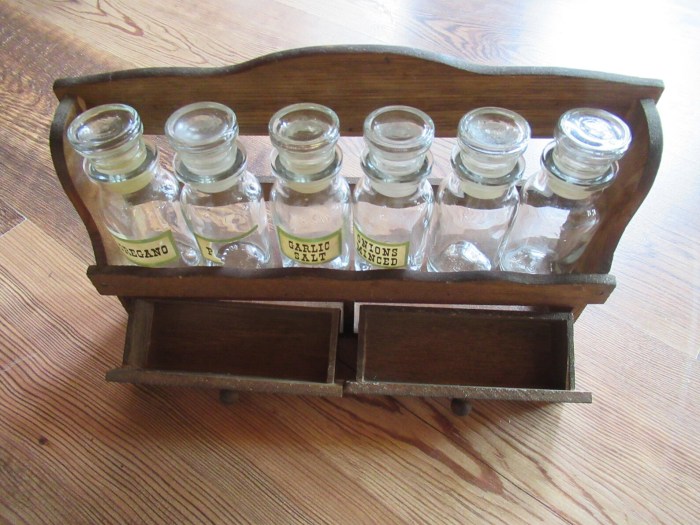
A well-designed spice rack is more than just a storage solution; it’s a crucial component of a functional and aesthetically pleasing kitchen. Optimizing storage space and accessibility significantly enhances the culinary experience, streamlining meal preparation and boosting efficiency. The rack’s design should seamlessly integrate with the overall kitchen layout and aesthetic, catering to various cooking needs and kitchen sizes.Efficient spice organization facilitates quick ingredient retrieval, preventing wasted time and effort during recipe execution.
A carefully planned system, combining optimal storage solutions and logical arrangement, can transform a cluttered spice cabinet into a culinary asset. This allows cooks to focus on the creative process of preparing meals rather than searching for specific ingredients.
Maximizing Storage Space
Effective spice rack design prioritizes maximizing storage space while maintaining visual appeal. This is achieved by utilizing vertical space efficiently and employing innovative storage solutions. For example, tiered shelves or pull-out drawers can optimize storage capacity without sacrificing visual harmony. A visually appealing design encourages use and organization.
Storage Solutions for Different Spice Types
Various spice types demand specific storage solutions. Glass jars are ideal for preserving the aroma and flavor of spices, while airtight containers are essential for preventing moisture absorption. For larger quantities of spices, consider sturdy, labeled containers that can be stacked and stored efficiently. Consider the characteristics of each spice to select the most suitable container, ensuring preservation of quality and aroma.
Importance of Proper Spice Organization
A well-organized spice rack enhances ease of access. Categorization systems, such as alphabetically or by flavor profile, streamline the search process, reducing preparation time. Using color-coded labels or distinct containers can further improve identification and speed up retrieval. A clear, logical organization system minimizes the time spent hunting for ingredients, allowing for more focused culinary endeavors.
Adaptability for Various Kitchen Sizes and Layouts
The spice rack’s design should be adaptable to various kitchen sizes and layouts. Modular designs allow for customization, accommodating kitchens with limited space or unique configurations. Adjustable shelves and pull-out organizers offer flexibility in accommodating changing storage needs. A flexible design caters to different cooking styles and evolving needs, making the spice rack a long-term investment.
Organizing Spices Alphabetically or by Category
Alphabetical organization provides a straightforward method for locating spices. This is particularly useful for quick reference and efficient retrieval. Alternatively, organizing spices by category, such as herbs, peppers, or global spices, can be more practical for specific cooking styles. The chosen system should align with the user’s preferences and cooking habits. A consistent system ensures that the spice rack remains a practical and efficient tool for the cook.
Material Selection and Craftsmanship
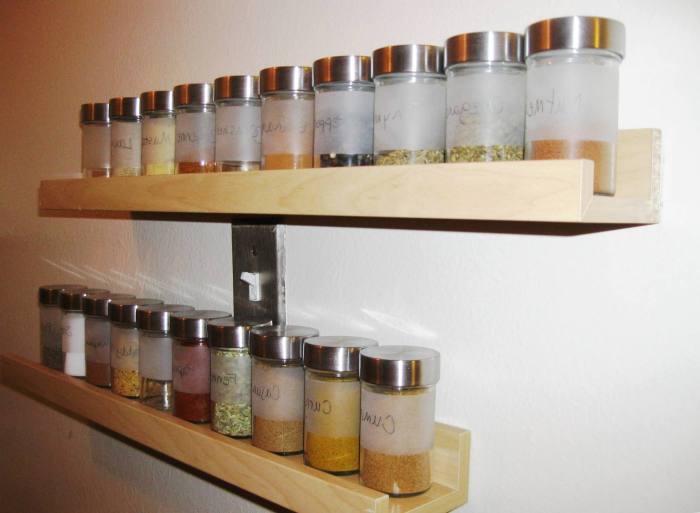
Japanese design prioritizes the inherent beauty of natural materials and meticulous craftsmanship. A spice rack, imbued with this aesthetic, should seamlessly blend practicality with artistry. The choice of materials, from the wood grain to the ceramic glaze, speaks volumes about the design’s philosophy. A well-executed spice rack, therefore, is not just a functional container, but a testament to the skill and respect for materials inherent in Japanese design principles.The selection of materials for a Japanese-style spice rack is deeply rooted in the appreciation for natural beauty and sustainable practices.
Choosing materials that complement the overall aesthetic while maintaining functionality is paramount. The grain of the wood, the texture of bamboo, or the subtle sheen of ceramic should enhance the experience of using the spice rack, not detract from it.
Suitable Materials for a Japanese Spice Rack
Natural materials, such as wood and bamboo, are frequently used in Japanese design. Their warmth and inherent beauty resonate with the aesthetic principles of simplicity and harmony. Wood, in particular, offers a range of possibilities, from the warm tones of cherry or maple to the cool elegance of oak. Bamboo, with its natural striations and strength, also presents a compelling alternative.
The use of ceramic, often with minimalist designs, adds a sophisticated touch. These materials, with their inherent beauty, seamlessly integrate into the overall design philosophy of the spice rack.
Material Options and Their Attributes
| Material | Pros | Cons | Image Description |
|---|---|---|---|
| Bamboo | Lightweight, durable, naturally beautiful, sustainable, easy to maintain | Can be prone to warping or splitting if not properly treated, may require more careful assembly | A spice rack crafted from bamboo, showcasing the natural striations and the subtle color variations of the material. The rack features multiple compartments, each clearly defined, allowing for easy organization of spices. |
| Cherry Wood | Warm, rich tones, visually appealing, durable, relatively easy to work with | Can be more expensive than other wood options, susceptible to damage from moisture or excessive heat | A spice rack made from cherry wood, highlighting the wood’s warm, reddish hue and the intricate grain patterns. The rack’s simple, clean lines emphasize the natural beauty of the material. |
| Ceramic | Elegant, durable, resistant to moisture and heat, easily cleaned, variety of colors and designs available | Can be more expensive than other materials, potentially heavier than wooden or bamboo alternatives, may require more sophisticated display solutions | A spice rack crafted from ceramic, exhibiting a minimalist design with clean lines and a subtle glaze. The ceramic compartments are varied in size, accommodating different spice containers. |
Creating a Visually Appealing Finish
Achieving a visually appealing finish is integral to the spice rack’s aesthetic. Natural finishes, like a clear lacquer on wood or a natural oil treatment for bamboo, enhance the material’s natural beauty without masking its essence. In the case of ceramic, a simple glaze can add depth and character. The overall finish should complement the spice rack’s design, ensuring the visual harmony of the spice rack with its surroundings.
Minimalist detailing, such as the use of carefully selected metal accents or natural twine, can elevate the design further. The quality of the finish is a reflection of the meticulous attention to detail, a crucial element of Japanese craftsmanship.
Shape and Form
Japanese design often prioritizes understated elegance, achieved through the meticulous use of curved lines and minimalist forms. This aesthetic, deeply rooted in the country’s philosophy and history, finds its way into a wide range of objects, from tea ceremonies to everyday utensils. Applying these principles to a spice rack can create a visually appealing and functional storage solution that harmonizes with a Japanese interior.The beauty of Japanese design lies in its ability to blend seamlessly with the surrounding environment.
This is often achieved through the use of organic shapes and muted color palettes, evoking a sense of tranquility and harmony. This approach translates well to spice racks, allowing them to serve not just a practical purpose, but also as a design element in the kitchen.
Curved Lines and Minimalist Forms
Japanese aesthetics frequently employ curved lines to evoke a sense of fluidity and natural harmony. Minimalist forms prioritize functionality and reduce visual clutter, contributing to a serene atmosphere. This approach can be effectively integrated into a spice rack design, creating a visually appealing yet practical storage solution.
Geometric and Organic Shapes
A spice rack can incorporate both geometric and organic shapes to enhance its aesthetic appeal. Geometric shapes, such as circles, squares, and triangles, offer a structured and clean look. Organic shapes, inspired by nature, such as flowing curves and asymmetrical forms, introduce a sense of dynamism and elegance. The choice between geometric and organic forms should be determined by the overall design concept and the desired atmosphere.
Spice Rack Shape Comparison
| Shape | Description | Visual Example |
|---|---|---|
| Curved Cylindrical | A smooth, flowing cylindrical shape, reminiscent of natural forms. | Imagine a stack of slightly tapered, rounded cylinders, perhaps in a light wood or ceramic, holding spice jars. |
| Stacked Square | A series of square or rectangular compartments stacked vertically or horizontally, providing a clean and organized layout. | Visualize a spice rack composed of multiple square compartments, each slightly recessed, creating a structured and organized look. |
| Asymmetrical Organic | A design inspired by natural forms, with irregular shapes and curves. | Envision a spice rack with a free-flowing, organic form, like a cluster of interwoven, irregular containers in natural wood or bamboo. |
Traditional Japanese Containers
Traditional Japanese containers, such as
- tsubo* (small, rounded containers) and
- bin* (storage jars), offer a wealth of inspiration for spice rack design. These containers often feature simple, elegant forms, natural materials, and muted color palettes, aligning seamlessly with Japanese aesthetics. These containers emphasize functionality and visual harmony.
Integration into Functional Design
Integrating these shapes into a functional spice rack design requires careful consideration of storage capacity and accessibility. For example, a curved cylindrical design could incorporate a series of nested compartments, maximizing space and offering a visually pleasing arrangement. A stacked square design might include varying heights and depths to accommodate different sized spice jars. The key is to ensure the shape complements the intended functionality without compromising on aesthetics.
Careful material selection and craftsmanship will further enhance the integration of these shapes into a visually appealing and functional spice rack.
Color and Lighting
The Japanese aesthetic, deeply rooted in nature’s subtle hues and the interplay of light and shadow, provides a rich palette for crafting a harmonious spice rack. Careful consideration of color and lighting is crucial to enhancing the visual appeal and creating a serene atmosphere in the kitchen. This intentional design choice elevates the spice rack beyond mere functionality, transforming it into a decorative element that complements the overall ambiance.The visual language of Japanese design often prioritizes understated elegance over ostentation.
This translates to the use of restrained palettes and carefully considered lighting strategies that focus on creating a sense of calm and serenity, not a dazzling display. The aim is to draw the eye to the inherent beauty of the spices and the craftsmanship of the rack itself, not to overwhelm the space.
Traditional Japanese Color Palettes
Japanese design frequently employs earthy tones and muted colors, evoking a sense of tranquility and connection with nature. These palettes are characterized by subtle variations in shades of browns, greens, grays, and whites. The use of these colors often reflects the natural beauty of the surrounding environment, creating a harmonious and aesthetically pleasing space. Examples include the soft greens of bamboo forests, the warm browns of weathered wood, and the subtle grays of stone and slate.
Role of Color in Kitchen Mood
Color plays a significant role in shaping the mood and atmosphere of a kitchen. Warm colors, such as terracotta and burnt orange, can evoke feelings of warmth and comfort. Cool colors, like blues and greens, can promote a sense of calm and serenity. The appropriate selection of colors can transform a functional space into a calming retreat.
A kitchen designed with a muted color palette can reduce visual distractions and promote a sense of tranquility.
Natural Light and Ambient Lighting
Maximizing natural light is a key element in a Japanese-style kitchen. Natural light, filtering through paper screens or sliding doors, casts soft, diffused illumination that enhances the perceived space and complements the subtle colors. The use of natural light also reduces the need for artificial lighting, thereby further minimizing visual clutter. Ambient lighting, in the form of soft, warm-toned LED strips or recessed lighting, can accentuate the textures and details of the spice rack, enhancing its visual appeal.
Incorporating Lighting to Highlight the Spice Rack
Strategic lighting can draw attention to the intricate details of the spice rack design. Recessed lighting, subtly positioned beneath or around the rack, can highlight the contours and textures of the material. Alternatively, a collection of small, warm-toned lamps strategically placed around the rack can create a warm and inviting glow. Soft lighting avoids harsh shadows and glare, allowing the spice rack to take center stage without overwhelming the surrounding space.
Impact of Color and Light on Visual Appeal
The combination of color and lighting directly impacts the overall visual appeal of a spice rack. A well-chosen color palette, in harmony with the chosen lighting, creates a cohesive and aesthetically pleasing design. The subtle interplay of light and shadow, amplified by the use of natural and ambient lighting, elevates the spice rack beyond a functional storage unit, transforming it into a decorative centerpiece.
The careful consideration of these elements not only enhances the visual appeal but also contributes to a serene and inviting kitchen atmosphere.
Spice Rack Placement and Integration
Strategic placement of a Japanese-style spice rack is crucial for seamlessly integrating it into the kitchen’s aesthetic and functionality. A well-considered location enhances the overall flow and visual appeal, creating a harmonious space for culinary endeavors. The proper integration not only optimizes access but also strengthens the visual balance of the kitchen.Careful consideration of the placement options is essential to achieve the desired effect.
The chosen location should complement the existing cabinetry, lighting, and overall design philosophy of the kitchen. This careful planning contributes to the kitchen’s aesthetic appeal and enhances the ease of use for daily cooking routines.
Placement Options
Understanding the different placement options is vital for creating a well-integrated and aesthetically pleasing spice rack. A thoughtful approach allows for maximum utility and visual harmony.
| Location | Description | Advantages | Disadvantages |
|---|---|---|---|
| Wall-mounted | Mounted on a wall, often above a countertop or adjacent to a cooking area. | Maximizes countertop space, creates a clean look, and allows for easy access. | Can be challenging to integrate with existing cabinetry, potentially requiring adjustments or custom solutions. May require careful consideration of the available wall space and weight capacity. |
| Countertop | Placed directly on a countertop, usually near the cooking area. | Easy access and visibility, convenient for immediate use. | May occupy valuable countertop space, potentially hindering other kitchen activities. Requires careful selection of a location to avoid visual clutter. |
| Cabinetry Integration | Integrated within existing kitchen cabinetry, perhaps utilizing a dedicated spice drawer or niche. | Maximizes space utilization, blends seamlessly with existing cabinetry, and maintains a streamlined design. | Requires careful planning during the kitchen design phase to ensure proper integration and access. May not be suitable for all existing cabinetry styles. |
| Island or Peninsula | Placed on an island or peninsula, offering a centralized location. | Provides a focal point and easy access from multiple areas of the kitchen. Excellent for large kitchens or those with multiple cooks. | Requires significant space and may not be suitable for smaller kitchens. Might create visual clutter if not integrated carefully. |
Integrating with Existing Cabinetry
Effective integration of the spice rack with existing cabinetry is paramount for a seamless aesthetic. Consider the existing cabinetry style, color, and material when selecting the spice rack. For example, a wooden spice rack with a natural finish will complement a kitchen with similar wood tones.Matching the spice rack’s color palette with the existing cabinetry is crucial for maintaining a cohesive look.
A white spice rack will blend well in a kitchen with white cabinetry. Matching or contrasting elements will enhance the visual appeal of the kitchen.
Enhancing Kitchen Flow
The spice rack’s placement should complement the natural flow of the kitchen. This implies positioning it to minimize movement interruptions during cooking processes. For instance, a wall-mounted spice rack near the stovetop allows quick access to frequently used spices.Placement should not create obstacles or disrupt the flow. For example, a spice rack that obstructs the path to the sink or refrigerator disrupts the smooth workflow.
A well-placed spice rack enhances the ease and efficiency of cooking activities.
Visual Balance
The spice rack’s placement should contribute to the kitchen’s visual balance. A visually balanced kitchen is harmonious, with elements complementing each other. Avoid placing a bulky spice rack in a small kitchen, as it might create a sense of overcrowding.For instance, a smaller, more compact spice rack is appropriate for a smaller kitchen. This ensures that the visual balance of the space is not compromised.
A well-balanced kitchen provides a sense of harmony and order.
Interactive Elements
Elevating a spice rack beyond mere storage involves incorporating interactive elements that enhance both functionality and aesthetic appeal. This approach aligns with contemporary design trends that prioritize user experience and seamless integration into daily routines. The addition of interactive features can transform a simple spice rack into a sophisticated and highly usable kitchen tool.Interactive elements offer a multi-faceted approach, combining the elegance of Japanese design with practical storage solutions.
By thoughtfully incorporating mechanisms like drawers and pull-out shelves, the spice rack becomes more than just a display; it becomes an active participant in the culinary process. This focus on usability is a key element of the Japanese aesthetic, emphasizing functionality alongside beauty.
Interactive Feature Options
Interactive elements significantly enhance the user experience of a spice rack, turning it from a static display into an active tool. These features, whether drawers or pull-out shelves, are carefully designed to improve access and organization.
| Element | Description | Functionality | Visual Example |
|---|---|---|---|
| Pull-out Shelves | Sliding shelves that extend outwards for easy access to spices located deeper within the rack. | Improved accessibility, especially for spices stored in the rear of the rack. Reduces the need to rearrange items when retrieving spices from the back. | Imagine a series of shelves that glide smoothly out of the rack’s face, revealing the spices neatly arranged on them. The shelves would be crafted from a smooth, natural wood or a sleek, modern material. |
| Rotating Spice Compartments | Circular compartments that rotate for easy viewing and access to all spices. | Maximize space utilization and provide quick access to a wide variety of spices. Visual appeal and intuitive operation are key. | Picture a circular, shallow tray that can rotate 360 degrees, with spices arranged on its surface. The tray would be made from a transparent material to showcase the spices. |
| Drawers | Small, compartmentalized drawers for storing smaller spice blends or ingredients. | Provides organized storage for smaller spices or specialty items, ensuring they are kept clean and dry. | Imagine a series of small drawers, each labeled and containing specific spice blends. The drawers would open smoothly and be crafted from a material that complements the overall design, like natural bamboo or a dark, matte finish. |
| Hidden Storage | Compartments that seamlessly blend into the rack’s design, concealing items when not in use. | Maintains a clean and minimalist aesthetic, particularly valuable in smaller kitchens. Creates a visually uncluttered appearance. | Concealed drawers that are flush with the surface of the rack, requiring a subtle pull or touch to activate. The interior would be well-lit for ease of locating spices. |
Japanese Design Integration
Japanese design principles can further elevate the interactive spice rack experience. The emphasis on minimalism, functionality, and natural materials can be seamlessly integrated.
“Japanese design often prioritizes functionality over ornamentation, creating objects that are both beautiful and practical.”
By incorporating these elements, the spice rack becomes more than just a storage solution; it becomes a reflection of the user’s commitment to quality and attention to detail. The interplay of form and function aligns with the principles of Japanese aesthetics.
Value of Interactive Elements
Interactive elements add significant value to a spice rack design. Beyond enhanced functionality, these features elevate the user experience by creating a more engaging and practical storage solution. The user-friendly nature of these mechanisms contributes to a smoother and more enjoyable culinary experience. Incorporating intuitive and efficient design elements improves the daily interactions with the spice rack.
Sustainability and Eco-Friendliness
Japanese design, deeply rooted in the principles of minimalism and respect for nature, naturally lends itself to sustainable practices. This extends beyond aesthetics to encompass material selection, manufacturing processes, and the lifecycle of the final product. A sustainable spice rack, therefore, reflects these values, contributing to a more environmentally conscious lifestyle.A mindful approach to design prioritizes the use of renewable and recycled materials, reducing the environmental footprint associated with manufacturing and disposal.
The aim is to create a spice rack that is not only beautiful but also contributes to a healthier planet.
Sustainable Material Selection
Choosing materials with a minimal environmental impact is crucial. This involves considering the sourcing, processing, and potential for recycling or decomposition of the chosen materials. Natural, renewable resources are ideal, and those with a lower carbon footprint during production are preferred.
- Wood: Bamboo, reclaimed wood, and sustainably harvested hardwoods are excellent options. Bamboo, for instance, is a fast-growing, renewable resource, offering a sustainable alternative to traditional lumber. Reclaimed wood reduces the demand for new timber, while sustainably harvested hardwoods ensure that the forests from which they are sourced are managed responsibly.
- Recycled Materials: Using recycled metals, glass, or plastics in the spice rack’s construction minimizes waste and conserves resources. For example, recycled aluminum or steel can be used for frames or components, while glass jars for spice storage can be repurposed or made from recycled glass.
- Natural Fibers: Rattan, wicker, or other natural fibers can be used for the rack’s structure or decorative elements. These materials are often biodegradable and derived from renewable sources.
Eco-Friendly Spice Storage Solutions
The spice rack’s design should promote eco-friendly spice storage practices.
- Reusable Containers: Opt for glass or ceramic containers for storing spices instead of single-use plastic packaging. Glass and ceramic containers are durable, reusable, and easily cleaned. The containers can be attractive, fitting the overall Japanese aesthetic.
- Minimizing Packaging: When sourcing spices, choose options with minimal or recyclable packaging. This directly reduces waste from packaging material.
- Labeling: Instead of using printed labels, consider using a system of etched or hand-painted labels on the spice containers. This approach minimizes the use of paper and ink, and promotes a more refined, natural aesthetic.
Impact on the Environment
A sustainable spice rack design contributes significantly to environmental conservation. By selecting eco-friendly materials, reducing waste, and promoting reuse, the design minimizes the negative impacts on the planet.
- Reduced Carbon Footprint: Using sustainably sourced materials and minimizing packaging reduces the overall carbon footprint associated with manufacturing and transportation.
- Waste Minimization: The selection of reusable containers and recyclable materials reduces landfill waste and conserves natural resources.
- Promoting Circularity: Using recycled materials and encouraging reuse supports a circular economy, where products are designed for durability and recyclability.
Detailed Instructions for Building a Simple Japanese-Style Spice Rack
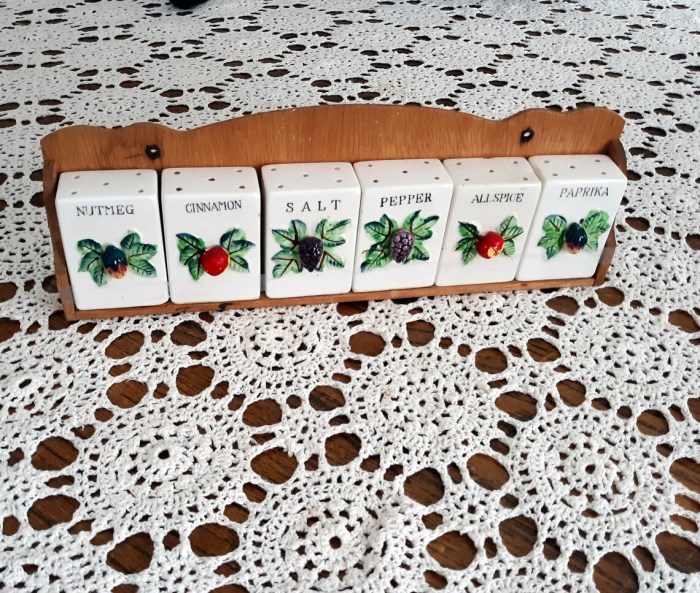
Crafting a functional and aesthetically pleasing spice rack in the Japanese style requires careful consideration of materials, measurements, and techniques. This detailed guide will walk you through the process, from initial planning to achieving a polished finish. The emphasis on simplicity and natural materials aligns with traditional Japanese design principles, allowing you to create a beautiful and practical storage solution for your culinary essentials.The following steps provide a framework for constructing a basic spice rack.
Adapt these instructions to suit your specific design preferences and available resources. Consider the size and layout of your kitchen when choosing the dimensions of the spice rack. A well-designed spice rack not only enhances the aesthetic appeal of your kitchen but also makes spice retrieval efficient.
Step-by-Step Construction
This section Artikels the sequential steps involved in building a simple Japanese-style spice rack. Each step details the required materials, measurements, and tools, facilitating a smooth construction process.
- Planning and Design: Begin by sketching out your desired spice rack design. Consider the number of spice jars you intend to hold, the desired height and width, and the overall aesthetic. Determine the specific wood type, and if any decorative elements are desired. Measure the available space in your kitchen where you envision placing the spice rack. This initial planning phase is crucial for a successful build.
- Material Preparation: Select your chosen wood for the spice rack. Ensure the wood is properly seasoned and free from defects. Cut the wood to the dimensions specified in the table below. Sanding the wood to a smooth surface prior to assembly is recommended for a professional finish. Carefully consider the type of wood.
Hardwoods like maple or cherry are durable and aesthetically pleasing. Softwoods like pine or fir might require more careful finishing.
- Cutting and Assembly: Using a saw, carefully cut the wood pieces to the specified dimensions. Use a measuring tape and pencil to mark the cuts accurately. Assemble the pieces according to your design plan. Secure the joints with wood glue and clamps for a strong and stable structure. Use appropriate clamps and screws or nails depending on the size and type of wood.
For example, if using thin boards, use small nails and wood glue to ensure the rack is structurally sound. Ensure all cuts are precise to ensure a uniform appearance.
- Finishing Touches: Apply a sealant or finish to the spice rack to protect it from moisture and enhance its appearance. Sand any rough edges or imperfections after applying the first coat. Apply multiple coats, allowing each coat to dry completely before applying the next. Consider a clear finish for a natural look, or a tinted finish for a more pronounced color.
A high-quality sealant will prolong the life of the spice rack and maintain its aesthetic appeal.
Materials, Measurements, and Tools
| Step | Description | Materials | Measurements | Tools |
|---|---|---|---|---|
| Planning and Design | Sketch the design and measure the space. | Paper, Pencil, Measuring Tape | Dimensions of space, desired height and width of rack | Pencil, Ruler, Measuring Tape |
| Material Preparation | Select and prepare wood. | Wood (e.g., Maple), Sandpaper | Length, Width, Thickness (according to design) | Saw, Sandpaper, Measuring Tape |
| Cutting and Assembly | Cut wood pieces and assemble. | Wood Glue, Clamps, Screws/Nails (if needed) | Specific measurements from design | Saw, Measuring Tape, Pencil, Clamps, Drill (if using screws) |
| Finishing Touches | Apply sealant or finish. | Sealant/Finish, Sandpaper | Quantity of sealant/finish according to instructions | Sandpaper, Brush or Roller, Protective Gloves |
Different Construction Methods
Several methods can be used for constructing the spice rack. One common method involves using simple mitered joints for a more complex look. Another method uses dowels to join the pieces, providing additional stability. A third method might incorporate a base to provide more stability and prevent tipping. Choose the method that best suits your design preferences and skill level.
Achieving a Professional Finish
A professional finish involves attention to detail throughout the entire process. Precise cuts, smooth surfaces, and a well-chosen finish contribute to a polished look. Consider using high-quality wood glue and clamps to ensure strong and stable joints. Multiple coats of sealant, with adequate drying time between coats, will enhance the durability and appearance of the spice rack.
Thorough sanding before and after each coat will create a smooth and even finish.
Final Conclusion
In conclusion, a Japanese spice rack design offers a refreshing perspective on kitchen organization. By incorporating elements of wabi-sabi, thoughtful material selection, and mindful placement, this approach merges aesthetics with functionality. The focus on sustainability and eco-friendly practices further enhances the appeal of this design philosophy, creating a kitchen that is both beautiful and responsible. This design serves as a valuable guide for anyone seeking to elevate their kitchen space with a touch of Japanese serenity and practicality.